

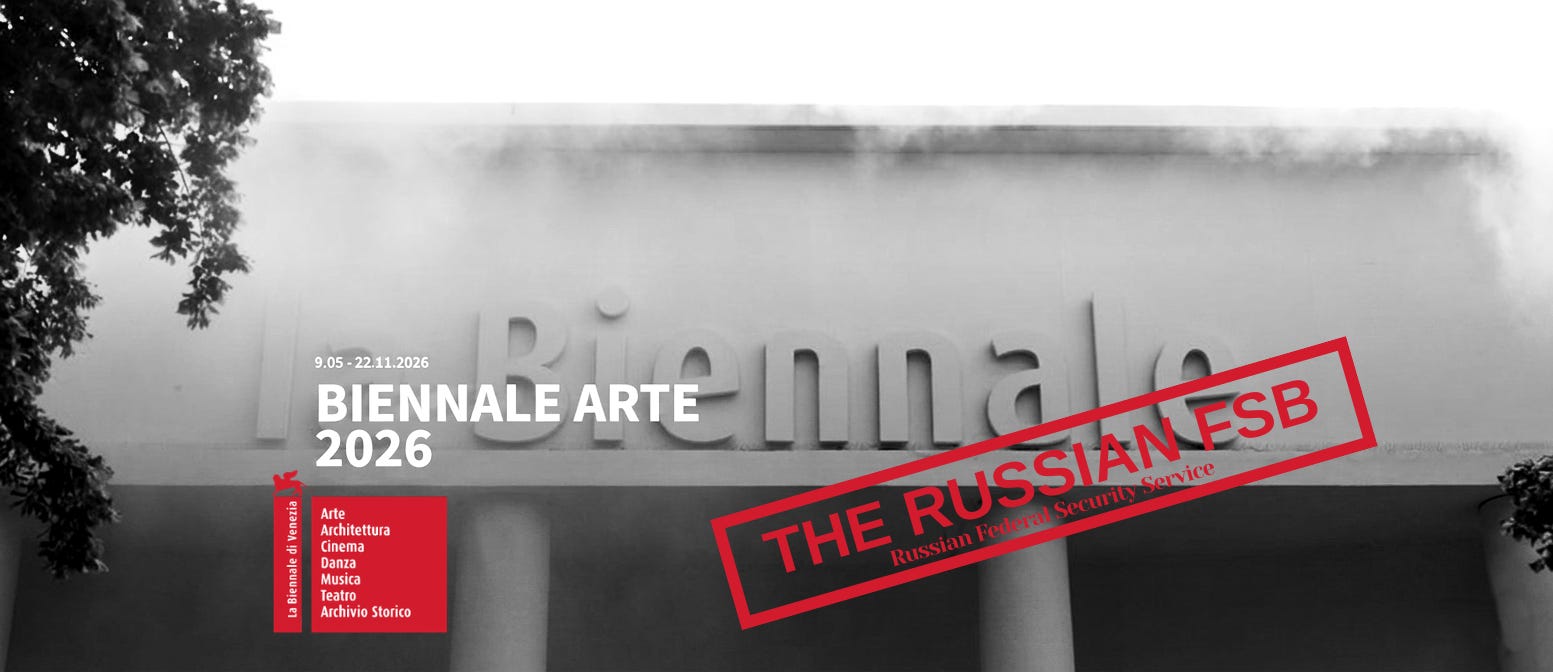
Every two years, a unique artistic energy takes over the Giardini della Biennale. People from all over the world come to Venice in search of fresh ideas and unconventional visions, seeking answers to questions that will shape our global future.
Traditionally, the Golden and Silver Lions are awarded amidst thunderous applause, in recognition of art that truly moves the world. But 2026 is different. This year, the Biennale is proceeding without an international jury, who resigned in a collective act of protest against judging alongside a country whose leader is subject to an ICC arrest warrant. The event will also proceed without €2 million in EU funding, amid sharp condemnation from Prime Minister Giorgia Meloni, with awards to be decided solely by public vote.
This is all because, despite EU sanctions, the Russian pavilion has reopened its doors after years of gathering dust.
Russia, a state that murders Ukrainian civilians daily and systematically erases the cultural heritage of its neighbours, has decided to present itself as normal.
It wants to be at the heart of the creative world. It is a grotesque paradox: the destroyers masquerading as creators. But their presence goes deeper. Russia is donning lace gloves — to look elegant, to remain mysterious, and... to leave no fingerprints — while it probes the weak spots of Western democracy.
Like mercury, it manoeuvres around obstacles, poisoning everything in its path. You might not notice the toxicity immediately, but it will catch up with you eventually.
The Russian “cultural landing party” in Venice is far from artistic. They are genuine representatives of Russia’s military and security apparatus. Hidden behind the guise of London-educated art dealer Anastasia Karneeva are the epaulettes of an FSB general. Her father, Nikolai Volobuev, is a retired FSB general and the current deputy head of the state defence giant Rostec — the very conglomerate producing the missiles currently raining down on Ukrainian museums, theatres and homes.
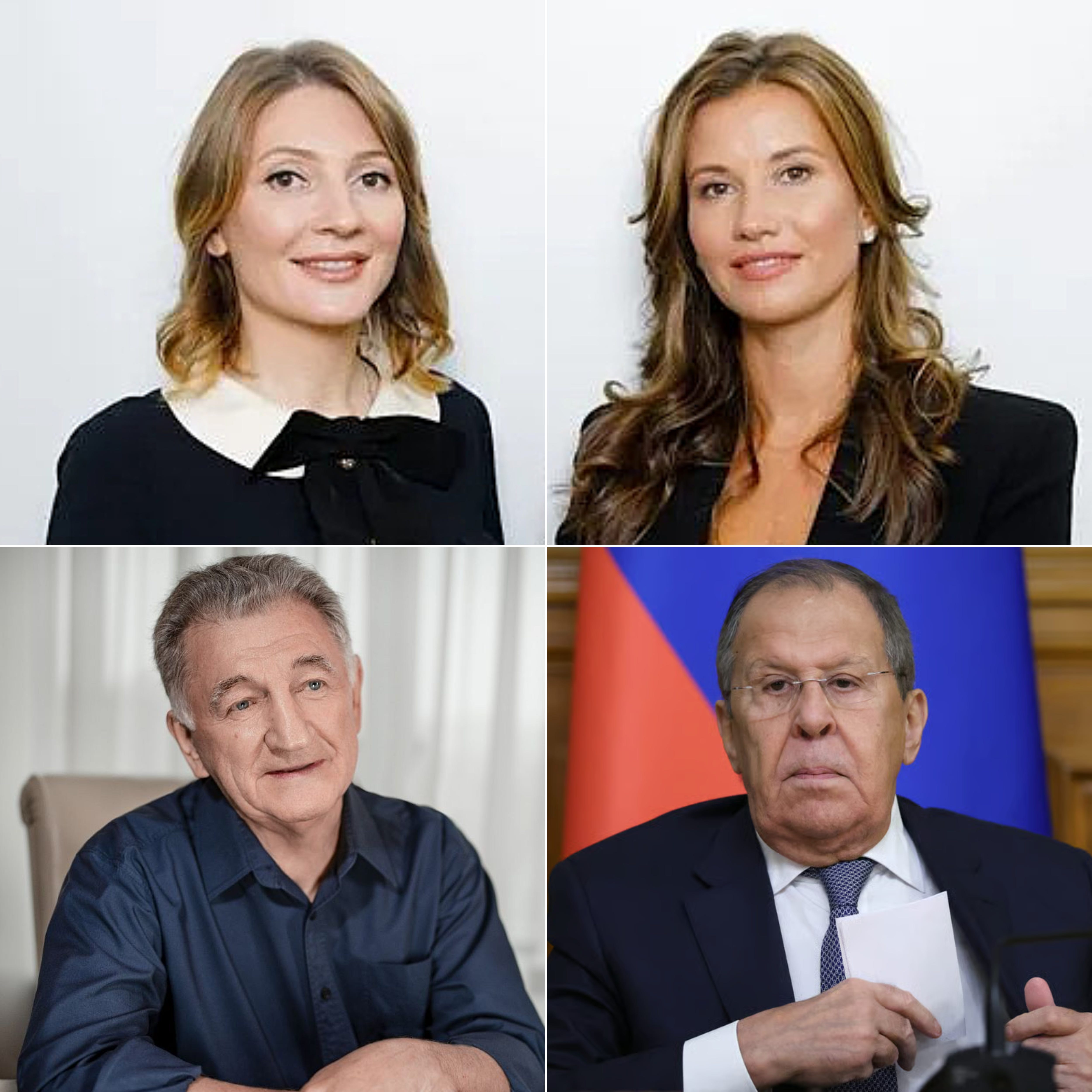
Karneeva’s business partner, Ekaterina Vinokurova, is the daughter of Russia’s foreign minister, Sergey Lavrov. When such individuals lead a national pavilion, “art above politics” is no longer an excuse; it’s a calculated rebranding operation funded by sanctioned oligarchs.
Knowing their presence would be controversial, the Russians played a cunning hand. They opened the pavilion for only four days of “previews”, strictly for insiders, friendly press and quiet backroom deals. For the general public, the doors remain locked. Instead, a video performance titled ‘The Tree is Rooted in the Sky’ is shown on screens visible through the windows, safely separated from the real world by a glass wall.
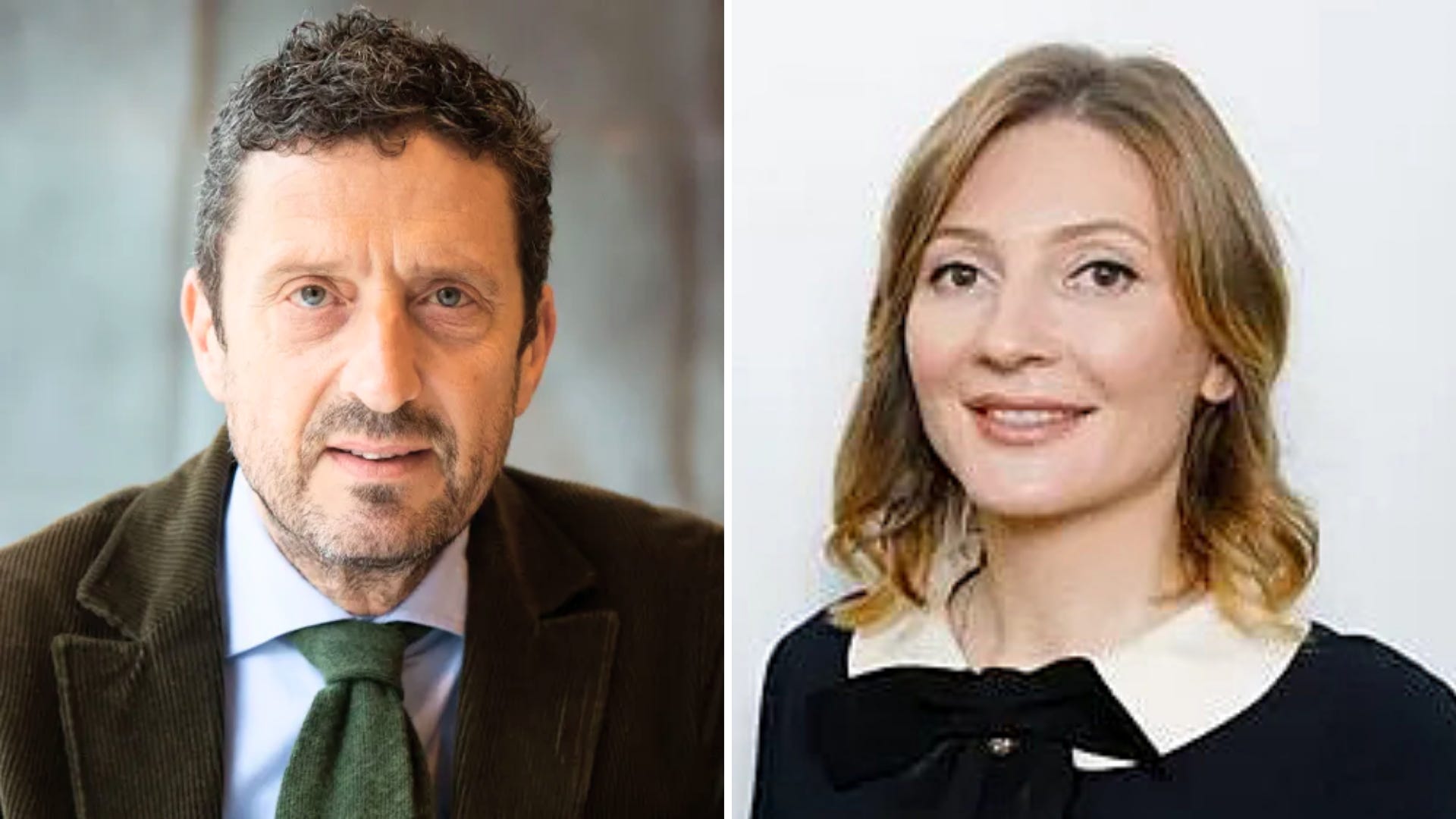
Despite a diplomatic boycott by 22 EU culture ministers and a public snub from Italian culture minister Alessandro Giuli, the Russians are carving a path through a legal “grey zone”. According to an investigation by the Italian outlet Open, Russia’s return was meticulously planned. Leaked correspondence between the office of Biennale President Pietrangelo Buttafuoco and Commissioner Karneeva reveals that the leadership of this prestigious forum essentially acted as legal consultants for the Kremlin. The emails detailed strategies for bypassing EU sanctions and funnelling money through shell companies such as Smart Art, ensuring that Russian ‘blood money’ remained under the radar of banking regulators. Who owns the company? Surprise! We already know: Karneeva and Vinokurova.
The organisers’ mantra-like defence is “Biennale autonomy” — supposedly a neutral space for the coexistence of all cultures.
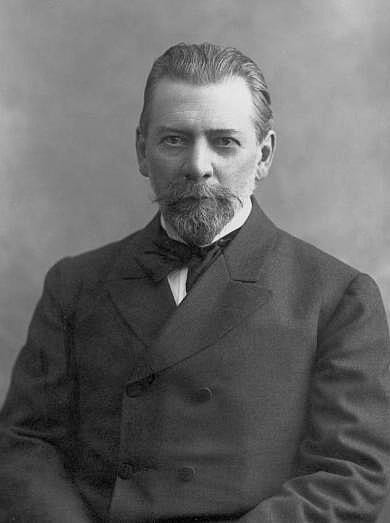
Furthermore, they exploited the technicality of private property. Russia has owned the pavilion since 1914, yet they ignore the fact that Bohdan Khanenko, a prominent Ukrainian philanthropist, actually funded the building. This is the height of cynicism. Moscow appeals to “sacred property rights” for a building established by a Ukrainian while simultaneously erasing Ukrainian cities and denying Ukrainians the right to exist.
The legal reality is grim: under Italian law, the Biennale cannot simply seize the property of a state with which it has diplomatic ties. The Russians exploited this loophole to perfection. What we are witnessing is a blatant case of sanctions evasion, whereby a leading European cultural institution has effectively paved the way for Russian hybrid influence to infiltrate the Giardini.
The Ukrainian response: An Evacuated Deer Suspended Between Worlds
In stark contrast to the FSB-backed Russian pavilion, the Ukrainian project “Security Guarantees” offers a gut-wrenching truth. The sculpture Origami Deer by Zhanna Kadyrova was created in the city of Pokrovsk, which is on the front line. It was created with the belief that it would remain there forever. However, as the Russian front line advanced, the deer had to be rescued from a scorched-earth policy that seeks to incinerate all living things.
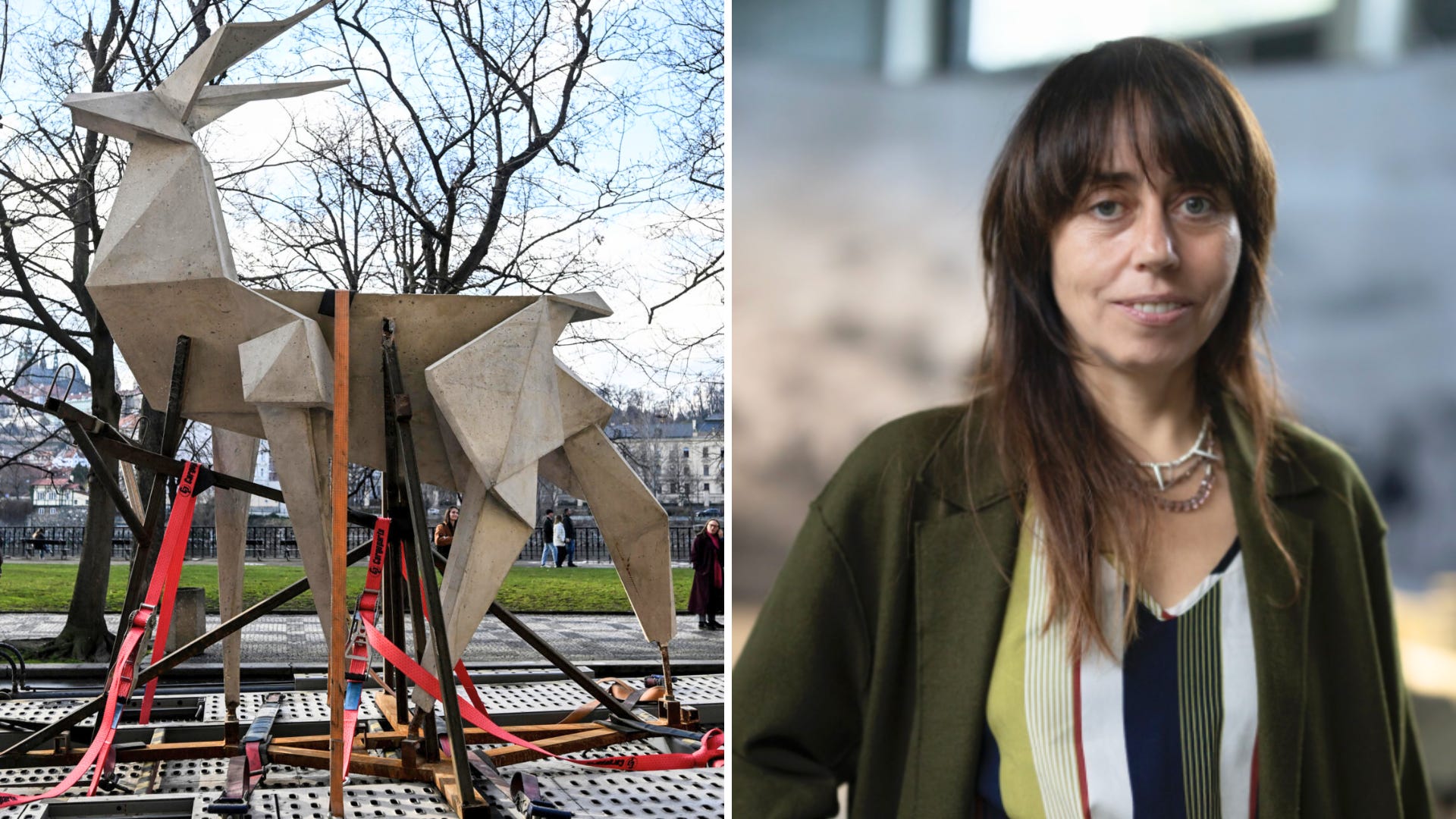
Now, the deer is an internally displaced person — a refugee wandering through different countries, currently ‘suspended’ in Venice.
Throughout the Biennale, the sculpture will be suspended from a truck crane. This is Ukraine’s reality: art in a state of evacuation, an international security system in disarray, and millions of lives in limbo.
By launching this war, Russia has violated almost 400 international agreements, including the UN Charter and the Budapest Memorandum — the document that promised Ukraine peace in exchange for its nuclear weapons.
But Ukrainians are not just talking; they are taking action, undermining the foundations of Venice’s aesthetes. The streets of Venice, which are usually covered in vibrant gallery posters, are currently plastered with notices announcing the cancellation of events.
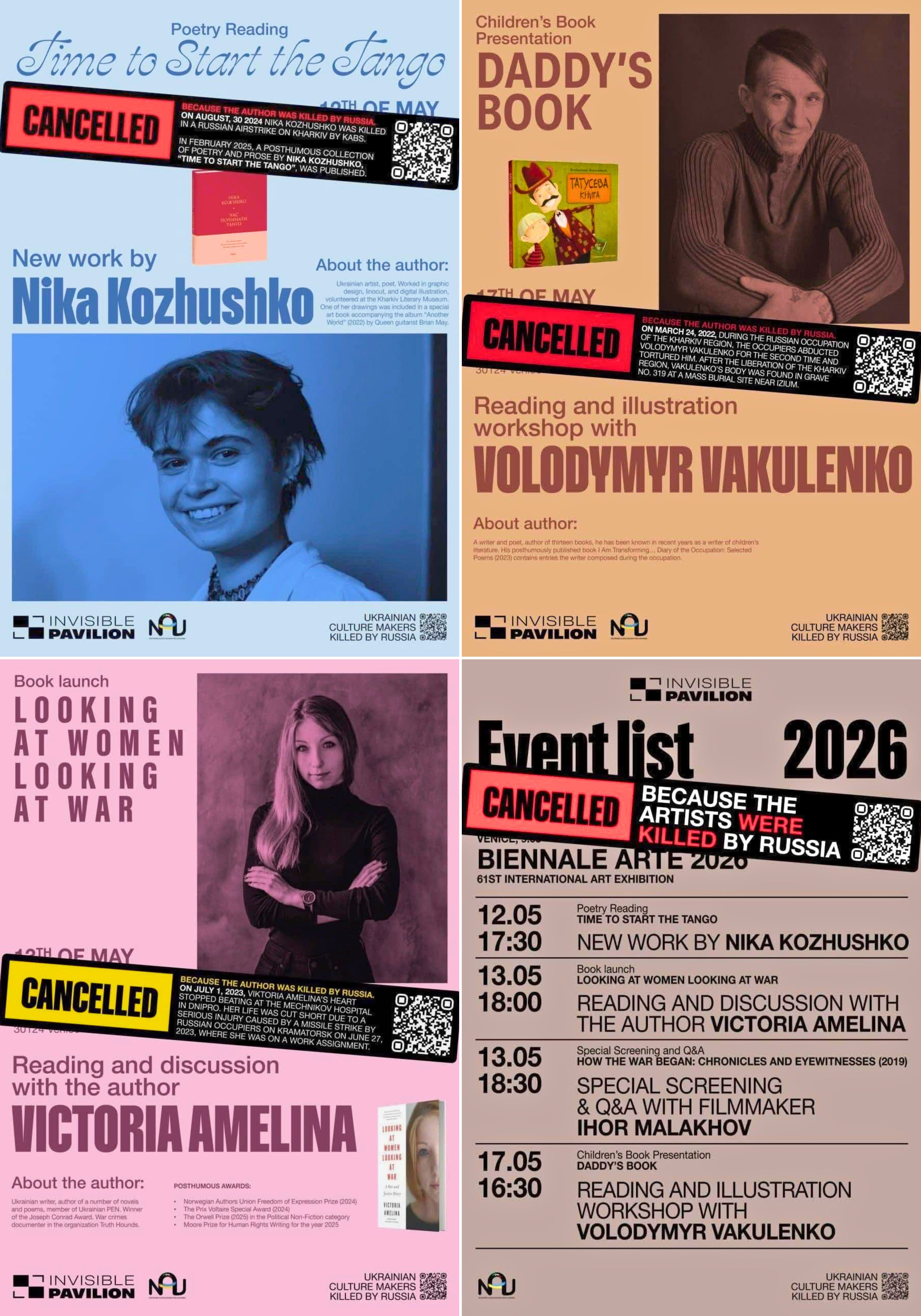
These posters advertise readings by writers Victoria Amelina and Volodymyr Vakulenko, discussions with filmmaker Ihor Malakhov and an exhibition of art by Nika Kozhushko. However, a massive stamp covers every poster: “CANCELLED: Because the author was killed by Russia”.
This action by Network Associazioni per Ucraina hits viewers with the force of reality: the Russian culture being “rehabilitated” next door is the same force that physically eliminated the people who should be here today.
Another performance was quiet yet powerful. Yuriy Gruzinov, a documentary filmmaker who survived Russian captivity in Crimea in 2014, entered the Russian pavilion with a red notebook. He spent his time there documenting everyone he saw.
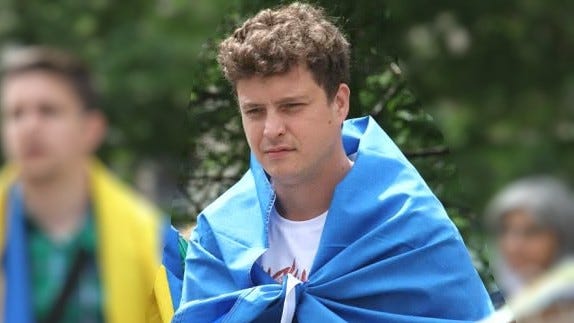
The title on the notebook was eloquent: ‘The Registry of Bastards’ (referring to those who betray humanity). This was not just an emotional outburst, but a precise log of individuals who, under the guise of art, are servicing a murder machine. It was the documentation of a crime.
The Russians are trying to present their presence as inevitable. Remember, though, that their cultural expansion is merely the ‘artillery preparation’ for a military offensive.
Behind the curtain of their Venetian performance, the marble of the Giardini is already stained with innocent blood.
Very informative. Thank you.
An excellent piece, Lidiia. Thank you.