

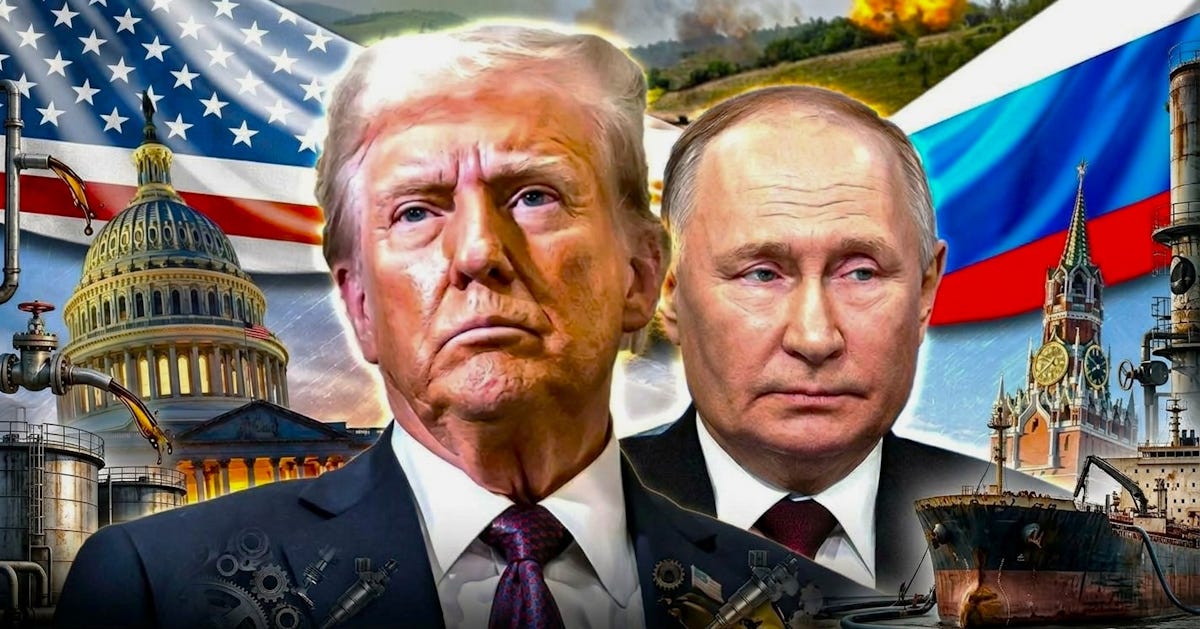
With the US Congressional elections approaching amidst record-low approval ratings for the current president (32–33%), Donald Trump is driven to make aggressive, high-stakes moves to retain his levers of influence. To project the image of a strongman who can fix complex crises with a single phone call, he has set his sights on driving down surging diesel prices - at the worst possible moment, during the peak of the agricultural season and harvest.
To quiet down frustrated farmers and truckers who bought into promises of prosperity, the administration temporarily permitted them to run tax-exempt “red” (dyed) agricultural diesel on public highways without penalty. Yet this stopgap measure barely shields American businesses from compounding losses. Tellingly, no one in the White House acknowledges the actual catalyst for the price spike: market shocks triggered after February 28 by the war with Iran and the blockade of the Strait of Hormuz.
Trump routinely ignores the structural drivers of inflation. Instead, he consistently points fingers at Kyiv, blaming Ukrainian strikes on Russian oil refineries for domestic price hikes. Analysts view this narratives-as-policy approach as a cynical form of retaliation against Kyiv for refusing to halt legitimate attacks on enemy military infrastructure. It is a calculated distraction aimed at shielding Trump and the Republican leadership from their own policy failures. The calculus is transparent: hold public attention until November 3rd, and pivot to a new distraction post-election.
So, who enables Trump’s high-stakes political theatre? The primary beneficiary is Vladimir Putin, who secures both financial leverage and a facade of international legitimacy. Moscow pledged to immediately export 300,000 metric tons of diesel fuel to US and global markets, with another 500,000 tons promised through November, and an additional 1,000,000 tons shortly thereafter. However, the arithmetic exposes the charade. The US consumes roughly 130 million gallons of diesel per day.
Russia’s initial 300,000 metric tons converts to approximately 95 million gallons - supplying less than 18 hours of US diesel consumption. Will American voters feel tangible relief at the pump? Virtually none. Yet the deal achieves its intended goal: generating massive headlines and diplomatic grandstanding.
Furthermore, Moscow’s promise is logistically unviable. Ukrainian precision strikes on Russian refineries have driven Russia’s seaborne diesel exports down to a decade low of roughly 144,000 barrels per day. With domestic shortages mounting inside Russia, Moscow can only deliver 300,000 tons “immediately” by gutting its own reserves or exacerbating domestic fuel crises.
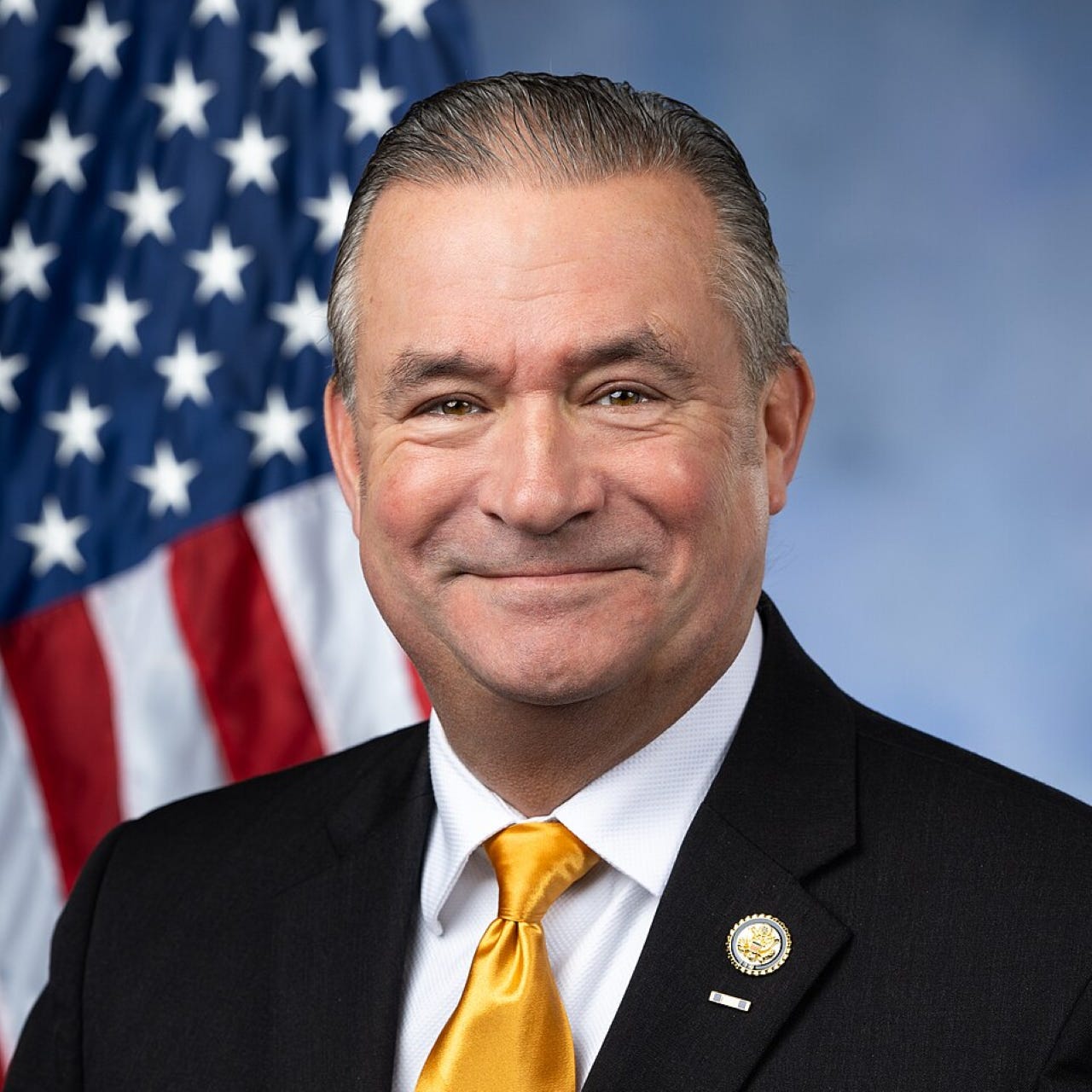
While Trump stages a media spectacle, sober voices are emerging within his own party. Republican Congressman Don Bacon stated plainly that bankrolling Putin’s war economy while Russian missiles devastate civilian cities is a profound moral failure.
Indeed, Putin emerges as the ultimate winner. The US Treasury granted Moscow a General License to trade fuel through April 2027, injecting fresh capital into Russia’s war chest while offering Putin an exit route from global isolation.
In a single stroke, Trump dismantled US legislative safeguards and eroded Washington’s standing as an arbiter of democratic accountability.
By overriding existing statutory prohibitions - including the 2022 legislation and the 2026 Lindsey Graham Act - the administration has gutted Washington’s moral authority to demand sanction compliance from allies or competitors like India and China. The burden now falls on Congress: will a bipartisan majority stand up to defend the rule of law?
Trump’s gambit reflects a dangerous geopolitical shift: punishing the victim while rewarding the aggressor. Moral clarity is surrendered to brute force, and international law is traded away for short-term political gain.
Alongside attempts to weaponize justice or pressure international tribunals, this transaction exposes a troubling erosion of the Western security order.
While Washington founders in transactional cynicism, traditional allies like Canada are taking the opposite path - doubling down on long-term security partnerships, bolstering defense autonomy, and directly funding Ukraine’s defense industrial base.
Moscow, meanwhile, repaid Washington’s concessions the only way it knows how: with more strikes. A massive bombardment on October 8th left Kyiv and surrounding regions in widespread darkness.
Under these brutal conditions, Ukraine’s resistance is no longer just a fight for territorial integrity; it is the last line of defense for the foundational principles of the free world - sovereignty, human dignity, and the rule of law - that are being traded away so casually in Washington today.