

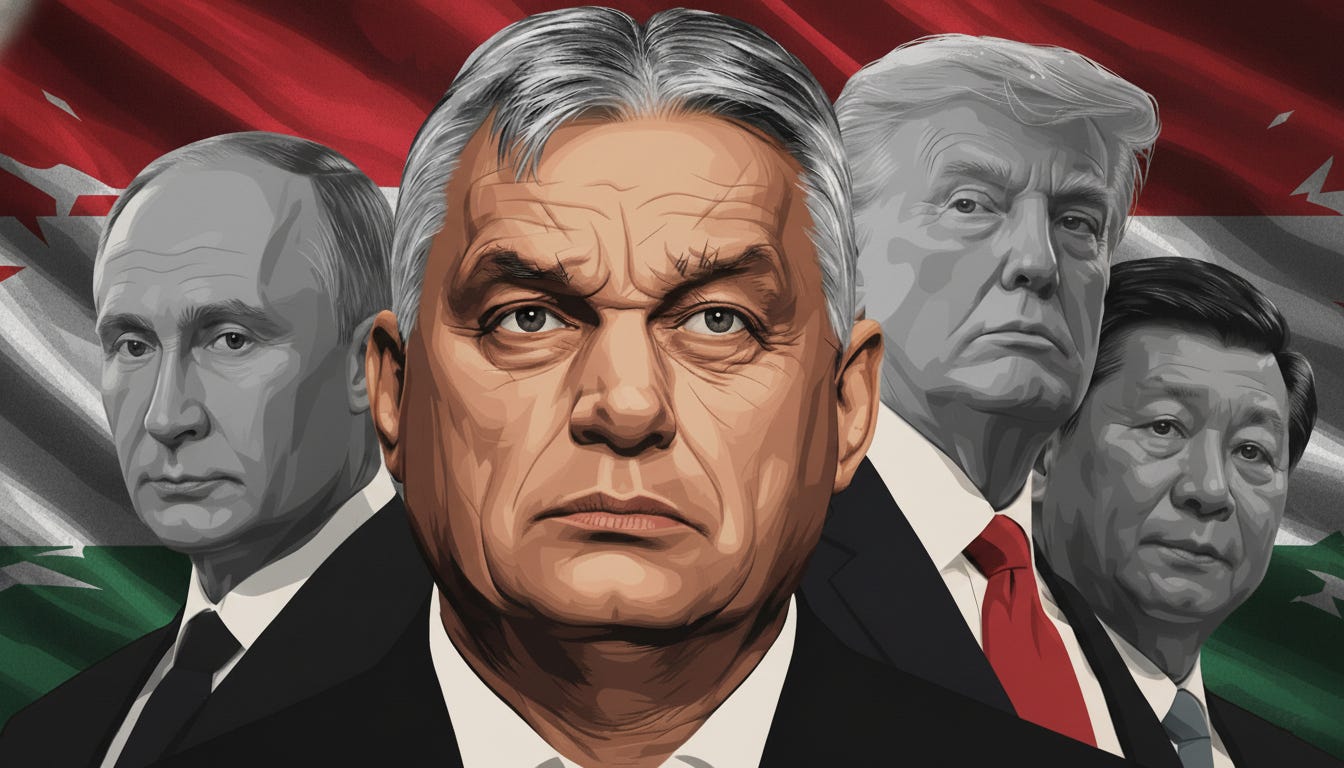
Hungary is set to hold parliamentary elections on April 12. What should be a strictly domestic affair has transformed into a geopolitical spectacle in which the Hungarians themselves seem to play second fiddle. When U.S. Vice President J.D. Vance flies across the ocean to campaign for the incumbent prime minister, leaving his own boss in Washington amid a major Iranian crisis, it becomes clear that Hungary is no longer a sovereign player, but rather a staging ground.
From the podium, Vance praised Viktor Orbán for defending Western civilization. At the same time, he cynically criticized the European Union, accusing Brussels bureaucrats of oppressing the Hungarian people. The irony is palpable, considering it is precisely the billions in EU subsidies that have kept the country from bankruptcy.
The rally felt like a scripted session of political spiritualism. Vance dialed Donald Trump on speakerphone, and thousands of Hungarians heard a voice booming through the speakers: “I love Viktor... He’s doing a great job.”
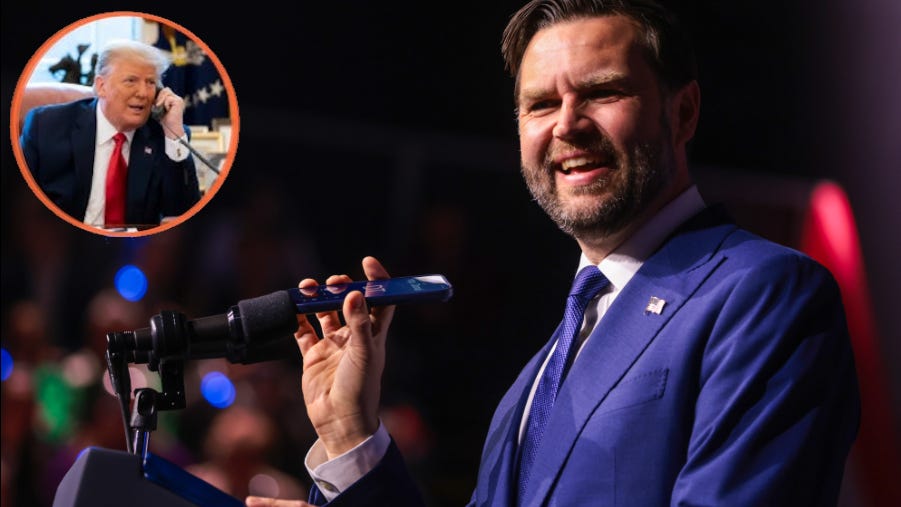
But what exactly does that job entail? Is it whitewashing Putin’s image and scrubbing the blood from his hands? After all, Orbán is doing everything he can to force the EU to lift sanctions on Russia.
Orbán’s true work isn’t found in Washington’s praise but in his cold, hard actions. Hungary has stalled a 90-billion-euro EU loan for Ukraine, the first installment of which was expected in April.
The 20th round of sanctions against Russia’s energy and financial sectors, which target the shadow fleet and crypto-assets, remains in limbo.
Since 2023, Budapest has systematically blocked payments from the European Peace Facility, which was designed to reimburse EU nations for military aid sent to Kyiv.
Orbán openly calls for the EU to scrap sanctions on Russian energy, dismissing Brussels’ transition plans as expensive and unaffordable.
However, the data tells a different story. Orbán has become Moscow’s economic hostage. He has personally tightened the noose around his country’s neck by importing 93% of its oil and gas from Russia. Even when the Druzhba pipeline infrastructure is crippled by Russian shelling, Orbán manages to blame Kyiv.
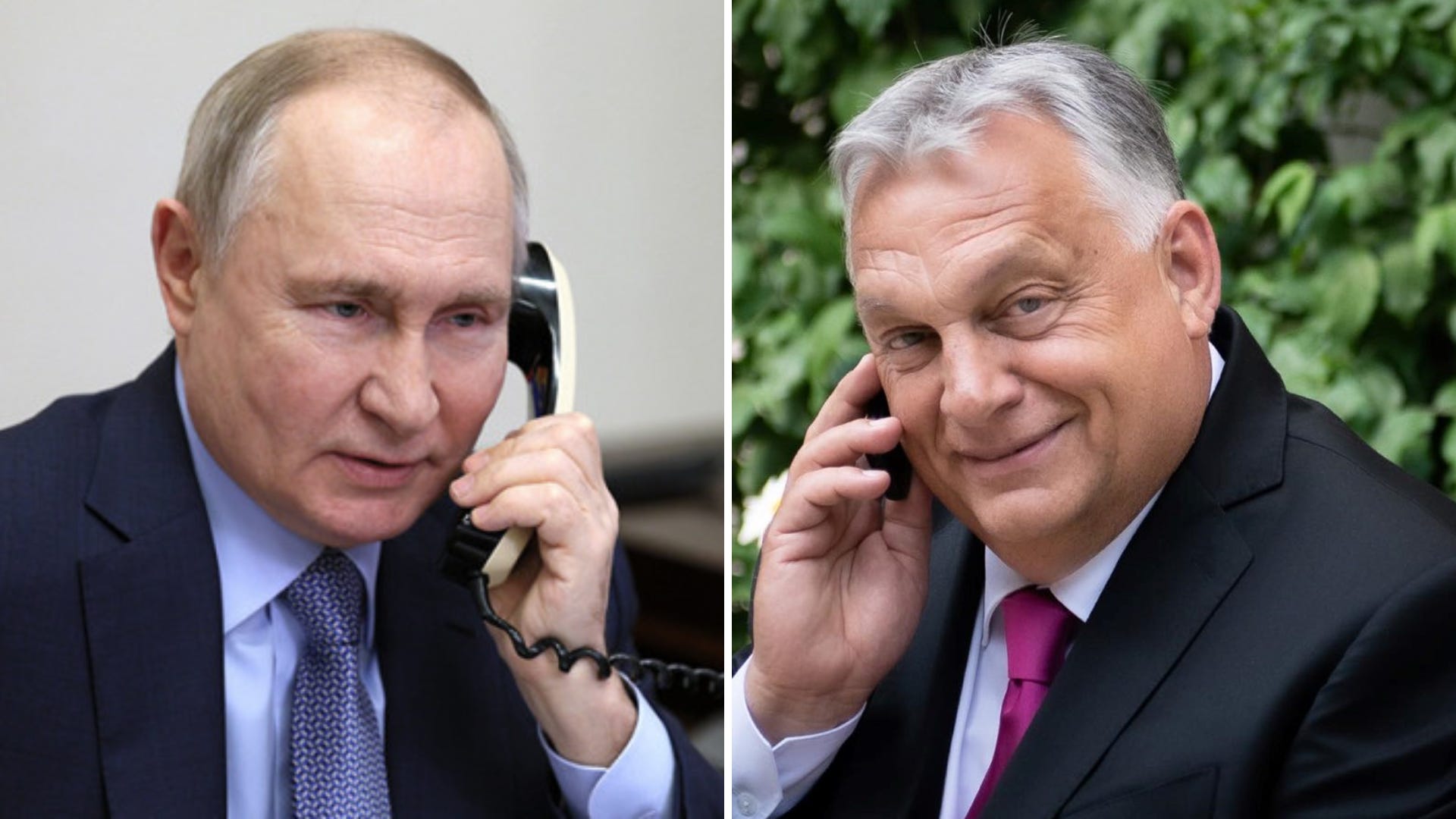
A transcript of an October 2025 phone call between the Hungarian leader and Vladimir Putin, published by Bloomberg, revealed the depth of the Hungarian leader’s loyalty to the Kremlin. Orbán reportedly told the Russian president, “I can help in any way. I am at your service.” He referenced Aesop’s fable about the mouse that saves the lion to emphasize his devotion, a remark that reportedly drew open laughter from Putin.
Orbán isn’t the only one cozying up to Russia. His team is actively leaking sensitive data. On March 21, the Washington Post reported that Foreign Minister Péter Szijjártó called Russian Foreign Minister Sergey Lavrov during breaks in closed-door EU meetings to provide live reports.
When Trump passionately backs such a Russian ally, the picture becomes clear: they are in the same boat. Trump benefits from using Orbán to disrupt European unity as a way to spite the EU for its reluctance to follow his lead into an Iranian misadventure. This has forced Brussels to implement an emergency Plan B: investing in its own defense and invoking mutual defense clauses. As Estonian Defense Minister Hanno Pevkur noted:”A divided West is exactly what Putin wants to see.”
To insulate himself from Western democratic pressure, Orbán has turned to China. Hungary is now the only NATO country that allows Chinese police to patrol its streets. This makes Hungary toxic to its NATO partners and feeds into Trump’s rhetoric about the uselessness of an alliance he threatens to abandon. Orbán is essentially the tool Trump plans to use to dismantle Europe’s old security architecture and replace it with chaotic strongman handshakes.
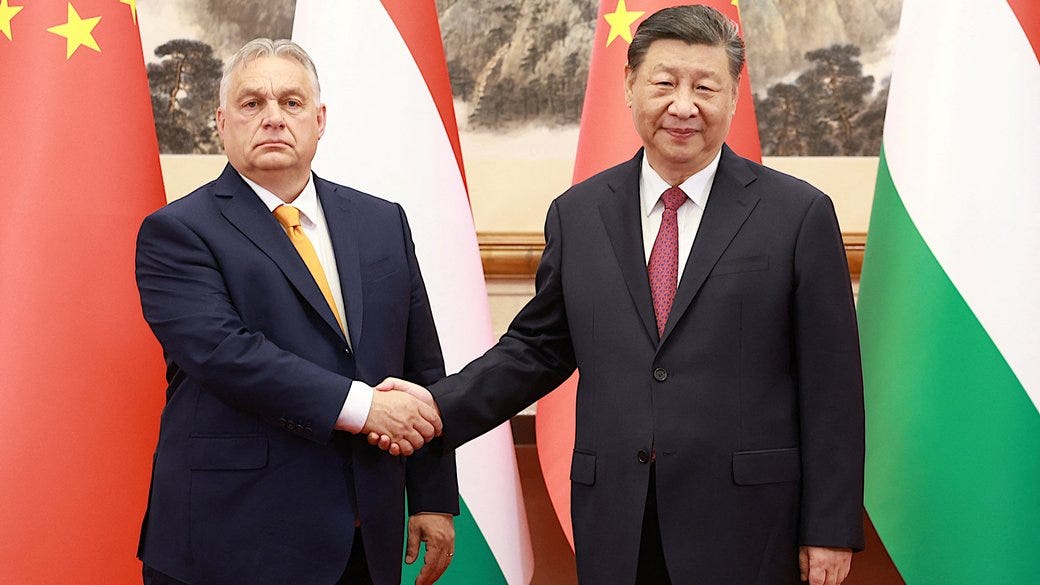
By signing security deals with Beijing, Orbán has traded Hungarian sovereignty for Chinese loans in an attempt to replace funds frozen by the EU. While the prime minister thinks he can be everyone’s friend, he is turning the country into a dangerous testing ground where the interests of three empires collide.
However, Orbán’s 16-year reign is cracking in unexpected places. Despite his promises of stability, the 2025 budget deficit hit a record $8 billion, and debt servicing costs are now the highest in the EU. Hungarians have grown poorer, paving the way for the rise of Péter Magyar.
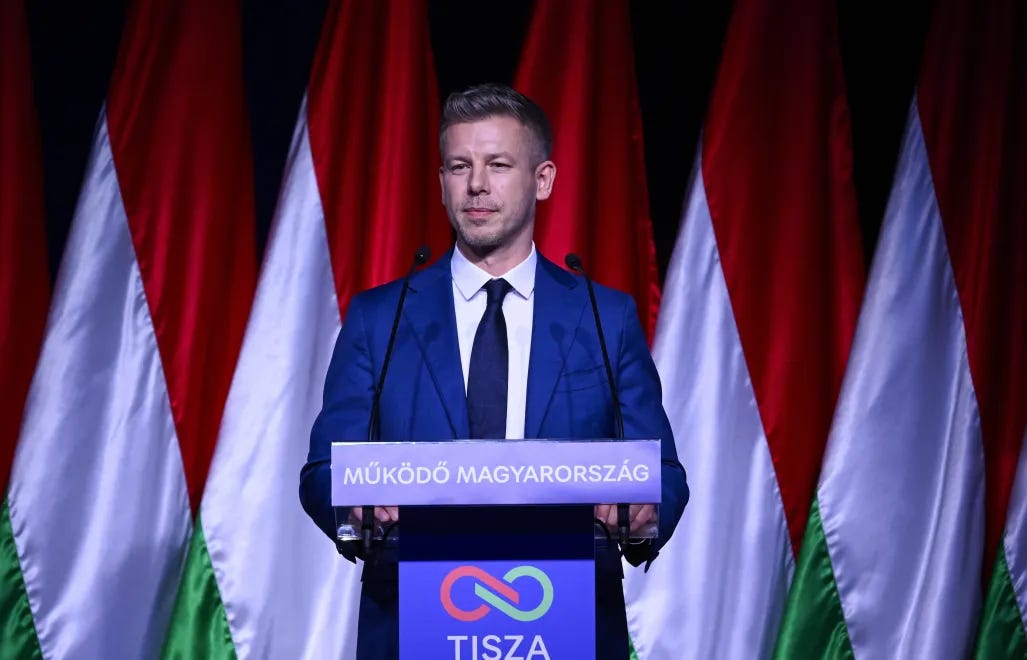
Magyar is a former insider and defector from the ruling Fidesz party, so he likely knows exactly where the bodies are buried. His promise to end Hungary’s energy dependence on Russia by 2035 and to tackle systemic corruption is resonating with the people who will actually have to live in the country’s future. According to Euronews, independent polls show a striking difference: over 60% of voters under 30 support Magyar’s Tisza Party, while Fidesz, led by Orbán, clings to only 15% of the youth vote.
Orbán may see himself as the clever mouse saving the lions, but it appears that Hungary’s youth are tired of being pawns in someone else’s chess game.
Insightful writing. Thank you!
A great piece, Lidiia.