

Today, as the world watches Russia’s brutal war in Ukraine, many see it as a contemporary crisis. But the violence unfolding today is actually the continuation of a century-old imperial project. At its core, it is the story of a regime that uses the erasure of entire nations as a tool of state power.
To truly understand the depth of this tragedy, one must look at the fate of the Crimean Tatars — the indigenous people of the Crimean peninsula.
For a Canadian reader, the terminology surrounding this history — systemic displacement, the stripping of identity, and the targeted erasure of a people from their ancestral land — carries a familiar, solemn weight.
Canada has spent years navigating its own complex national conversation about the historical trauma inflicted on its own Indigenous populations. While the geography and politics are entirely different, the fundamental human catastrophe is the same: an empire attempting to rewrite history by removing the people who belong to the land.
The machinery of this modern terror was perfected in 1922, when the Soviet Union rose from the ruins of the Russian Empire. To maintain power and transform conquered nations into a broken, obedient workforce, the Kremlin turned to a brutal weapon: mass forced deportations.
This policy of “great population transfers” was designed to wipe out national elites, force different ethnicities to blend in, and punish entire groups based on fabricated accusations of “disloyalty.” The scale of this state-sponsored terror was staggering. During the forced collectivization of 1929–1933 alone, the Soviets deported 1.7 million people from mainland Ukraine. When World War II started, the same brutal machine swallowed up Poles, ethnic Germans, and the peoples of the Caucasus.
But it was in May 1944 that this machinery of erasure was unleashed upon the Crimean Tatars with absolute, radical fury.
The Climax of Terror: May 1944
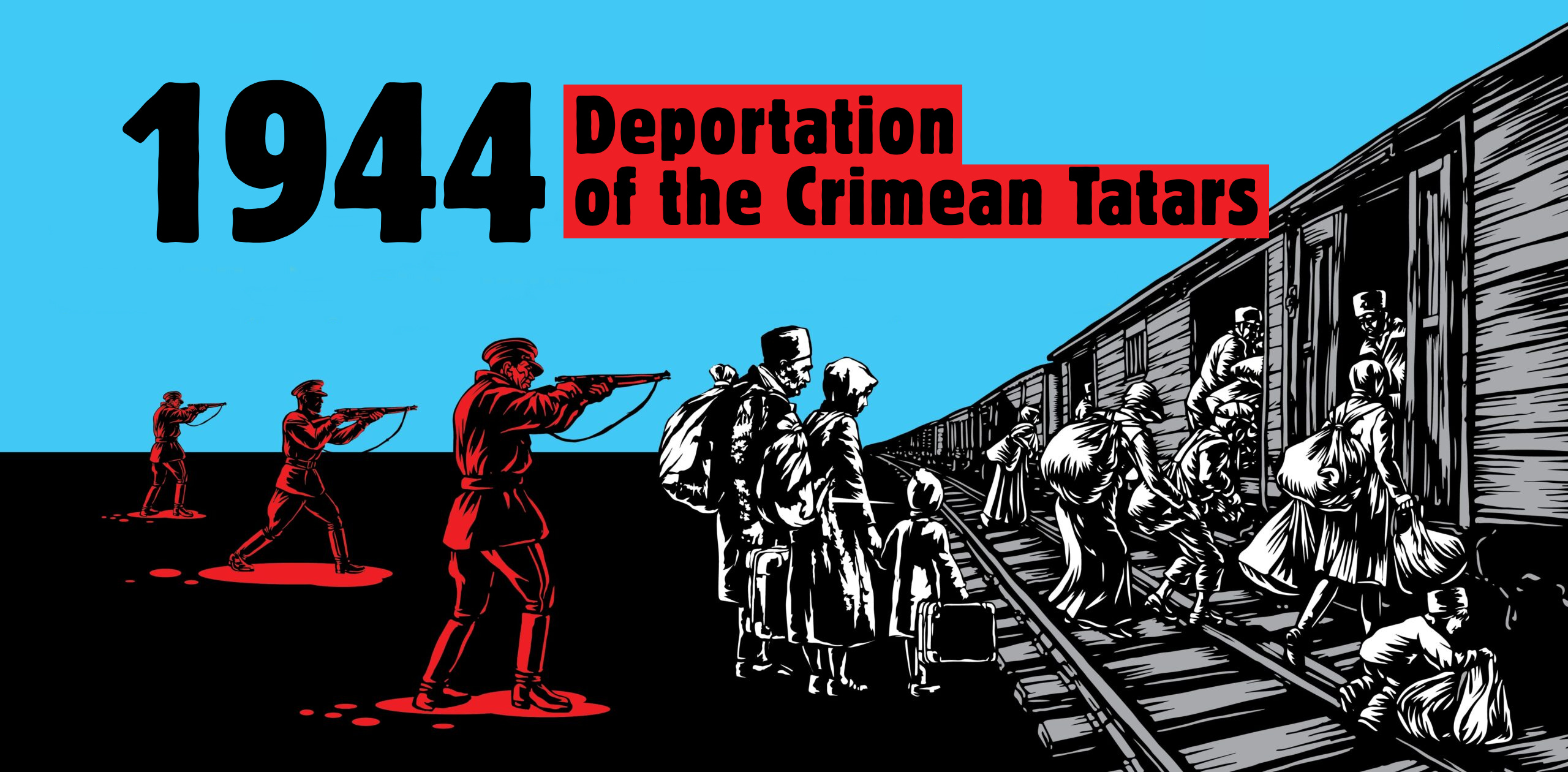
The deportation of the Crimean Tatars, which began at dawn on May 18, 1944, and lasted three days, was no accident. It wasn’t a random wartime decision. It stands out for its absolute, military cruelty. In just a few days, the Soviet state completely cleared the Crimean peninsula of its indigenous people, baselessly accusing the entire nation of collaborating with the Nazis.
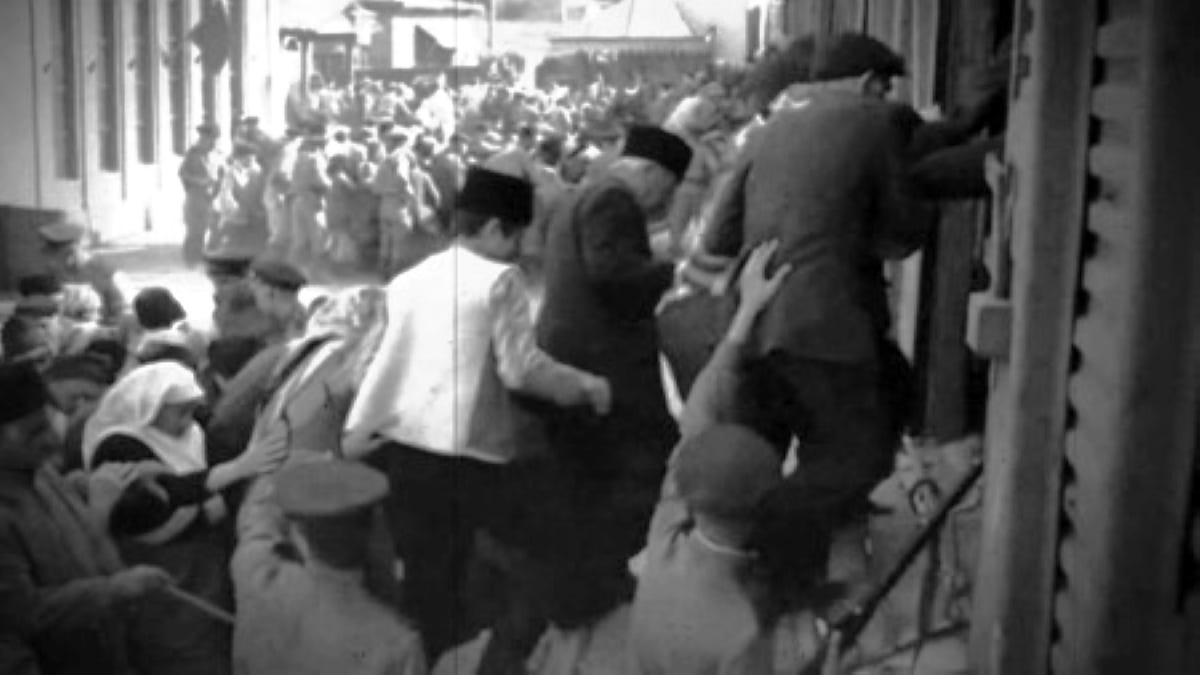
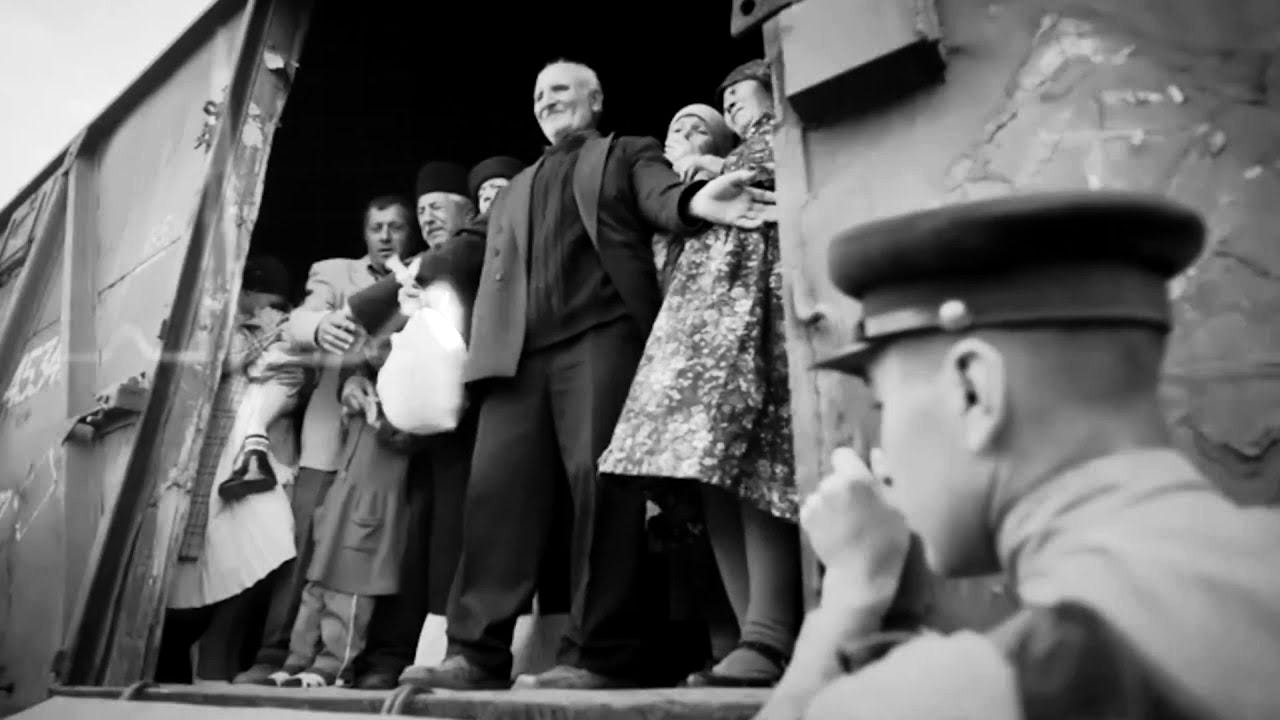
They branded everyone as traitors - even the Crimean Tatar men who were fighting Hitler on the front lines in the Red Army at that exact moment. When these soldiers returned home with combat medals, they found their families gone and were forced into exile themselves.
Because the men were away fighting, over 86% of all those deported were women and children. They took the heaviest blow.
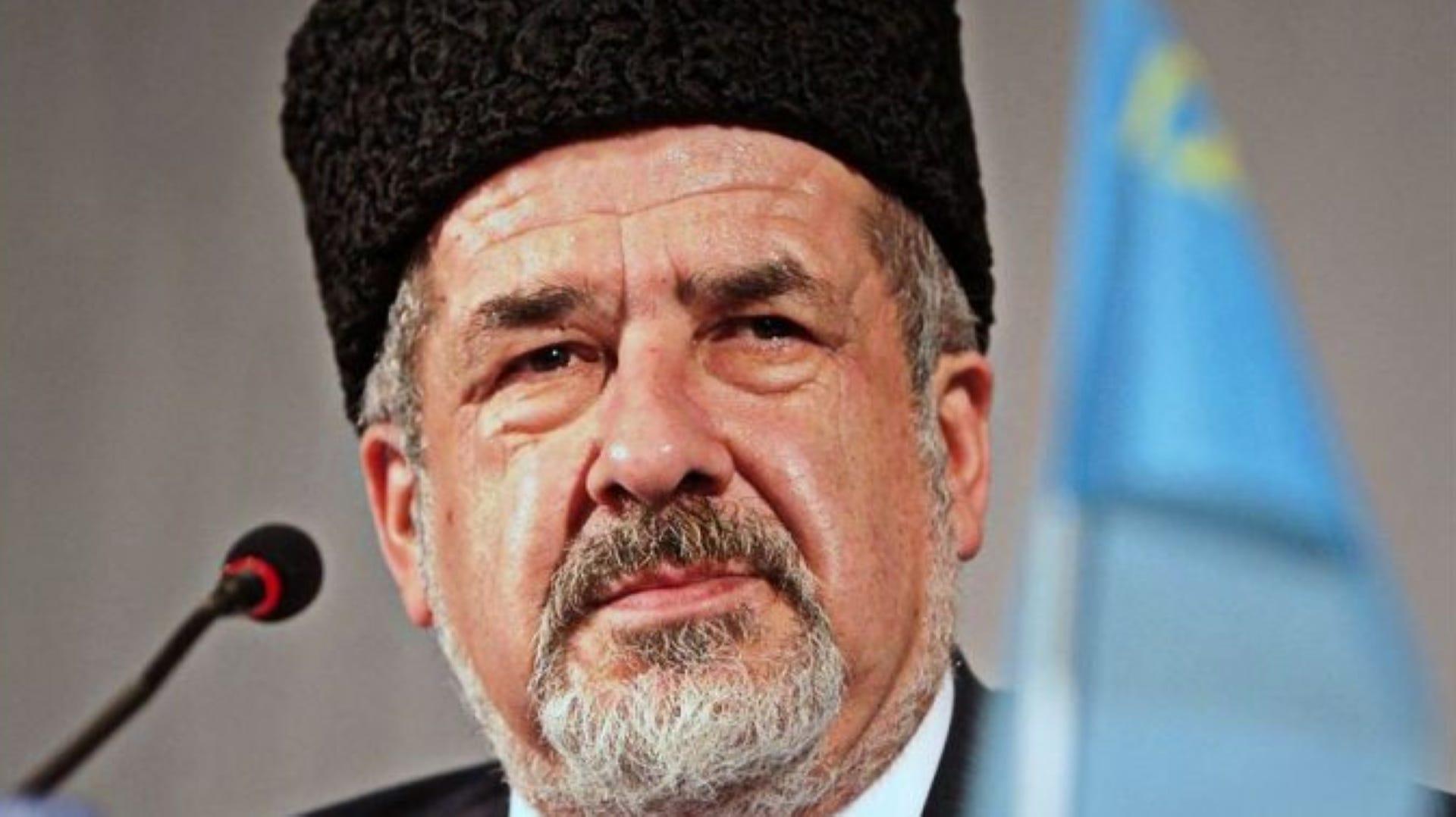
Refat Chubarov, the head of the Mejlis of the Crimean Tatar People, shares a chilling statistic: in the first few years of exile, 46.2% of all Crimean Tatars died. Almost every second person perished. The entire operation was designed to physically destroy an entire ethnic group.
People were packed into locked, filthy cattle cars and shipped to harsh, unlivable regions of Uzbekistan, Siberia, and the Urals, where they were kept under strict guard. Instead, Soviet authorities quickly moved settlers from Soviet Russia into these empty homes, letting them live in houses that weren’t theirs and use things left behind by the victims.
Today, Russia is doing the exact same thing in occupied Ukrainian territories. Russian citizens are moving into the apartments of Ukrainians who were either killed or forced to flee.
Erasing Identity and the Story of Saide Arifova
The crime didn’t end with the physical expulsion. The Soviet regime wanted to erase the very memory of the Crimean Tatars. Right after the deportation, the term “Crimean Tatar” was completely removed from Soviet records. In passports, people were simply labeled as “Tatars” to wash away their unique identity. Their language, traditions, and customs were banned. Crimea’s autonomy was canceled, and historical towns and villages were renamed with Soviet names.
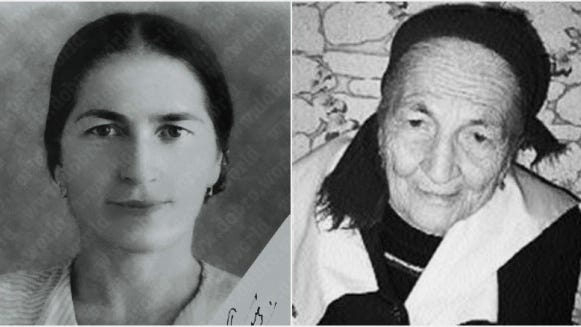
Amidst this horror, the story of a kindergarten teacher named Saide Arifova became a symbol of incredible courage. During the Nazi occupation of Crimea, Saide took a deadly risk in Bakhchysarai. She hid Jewish children, got them fake IDs, and passed them off as Crimean Tatars, saving nearly 90 children from the Holocaust.
When the Soviet secret police (NKVD) arrived, they didn’t care about her heroism. Saide was brutally deported to Uzbekistan along with everyone else. Right before she was forced onto the train, she had to save those same children again, but this time from the Soviets. She showed the officers the children’s real documents to prove they were Jewish, not Crimean Tatars, saving them from exile.
For decades, Crimean Tatars fought a grueling political battle just to return home. In the 1960s and 70s, some tried to come back on their own, but faced “secondary deportations”. They were caught and forced out again.
Crimean Tatars were finally able to return en masse only 45 years later, in late 1989. But even back on their own land, they faced quiet, bitter discrimination from local pro-Russian authorities who tried to suppress their culture in daily life and schools.
My colleague, Kateryna Lavrishcheva, who grew up in Yevpatoria, remembers how a new girl joined her class in the year 2000. The pro-Russian teacher immediately tried to humiliate the child and erase her identity:
— “What’s your name?”
— “Medine.”
— “You’ll be Masha from now on. It’s easier for everyone.”
This wasn’t just a rude comment. It was a symptom of a deep disease: Russian chauvinism in Crimea never left. It was just waiting for its moment.
From Soviet Terror to Russian Occupation
Today, history is repeating itself clearly and terrifyingly. In 2014, Russia illegally occupied part of Ukraine — the Crimean peninsula — and brought back the old, totalitarian methods of crushing the indigenous people. For thirteen years now, the Crimean Tatars have been the primary target of the Kremlin’s repressions.
Moscow’s current methods look a lot like Stalin’s: night raids, fabricated criminal charges, the arrests of activists and journalists, and forced disappearances.
According to human rights groups and Ukraine’s Ministry of Foreign Affairs, as of 2026, Russia is illegally holding about 160 Crimean Tatars in prisons and penal colonies.
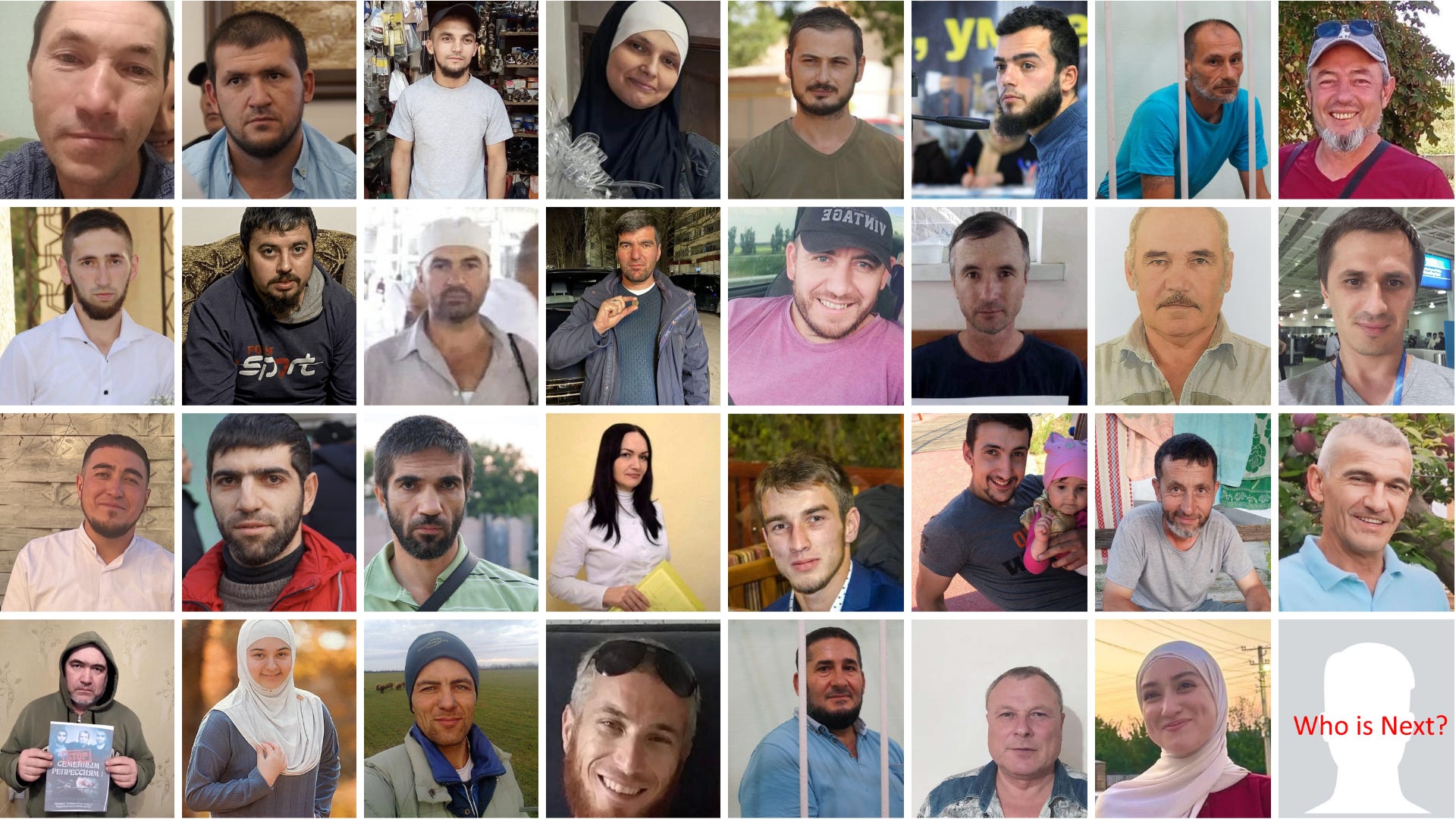
The occupation forces banned the Mejlis (the Crimean Tatar representative council), shut down independent national media, and are destroying the peninsula’s cultural heritage. A painful example of this is the barbaric “restoration” of the Khan’s Palace in Bakhchysarai, which is actually a deliberate attempt to ruin unique architecture.
The leadership of the Mejlis states that these modern crackdowns are a direct continuation of Russia’s old genocidal policy, aimed at driving the indigenous people off their land once again.
What’s worse, since the full-scale invasion of Ukraine in 2022, Russia has unleashed these exact same practices — filtration camps, mass deportations, torture, and the kidnapping of children — against the entire Ukrainian nation. Unpunished evil always returns.
The Legal Front: The Fight for Justice
To stop this cycle of violence, we need a clear legal verdict. The Kurultai (the Crimean Tatar national assembly) recognized the deportation as genocide back in 2005. In November 2015, Ukraine’s parliament officially did the same, making May 18 the Day of Remembrance for the Victims of the Crimean Tatar Genocide.
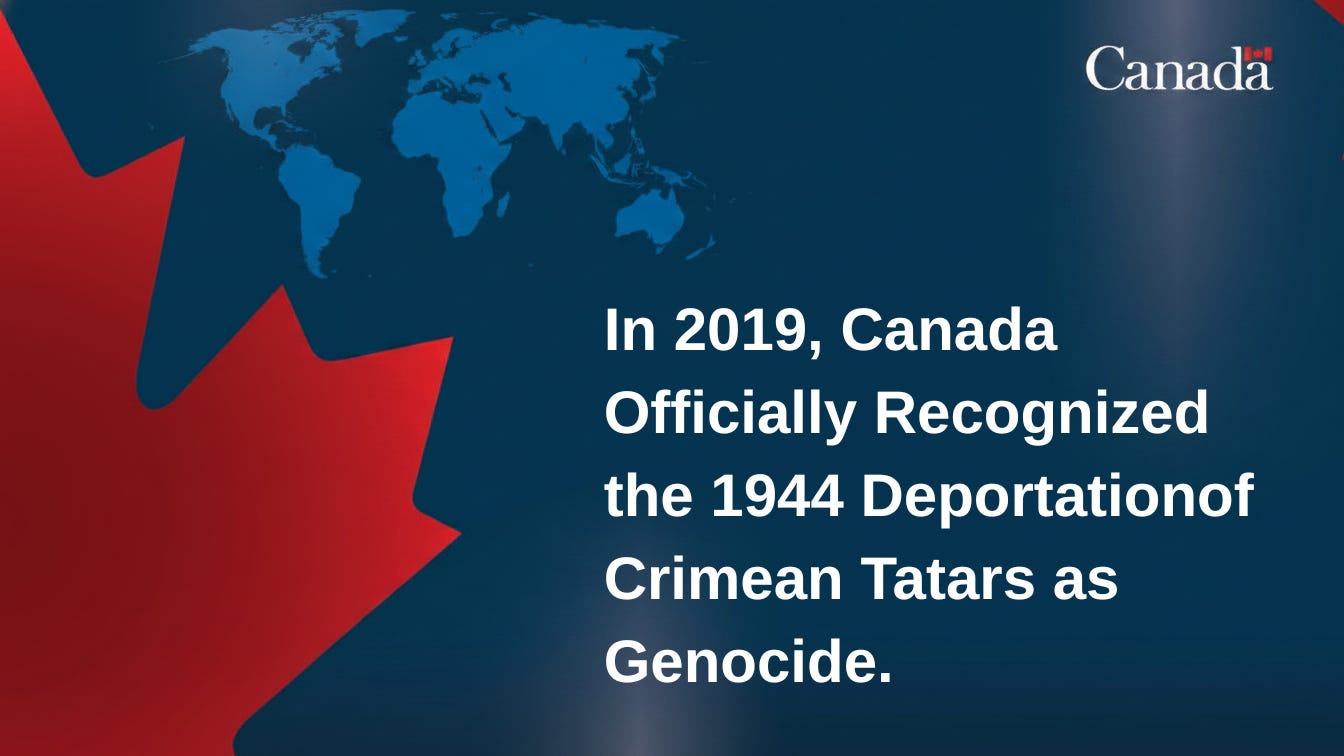
The world is slowly joining this fight, and Canada has been a key political leader in this global effort. In 2019, the Canadian House of Commons passed a historic, unanimous motion officially recognizing the 1944 deportation of the Crimean Tatars as an act of genocide. For the global Crimean Tatar community, including those who have found a safe refuge in Canada over the years, this step by Ottawa was a massive milestone. It proved that the international community can see through decades of Soviet and Russian propaganda.
Along with Ukraine and Canada, seven other nations have officially recognized the genocide: the Netherlands, Latvia, Lithuania, Estonia, Poland, the Czech Republic, and the Parliament of Luxembourg, which explicitly linked the crimes of 1944 to Russia’s current human rights violations in occupied Crimea.
Meanwhile, Ukrainian law enforcement has been investigating this genocide case since 2015. The Crimean Tatar Resource Center (CTRC) has played a huge part in this, tracking down and recording the stories of the last remaining eyewitnesses of 1944.
Lawyers say they now have more than enough archival documents and evidence to take the case to court and get a final verdict from the Prosecutor’s Office of Crimea.
An official court ruling will be a powerful tool to hold Russia accountable on the world stage.
But true justice and safety for the Crimean Tatars will only happen when Crimea is completely liberated and Ukraine’s sovereignty is fully restored — a goal that Canada continues to steadfastly support on the international stage.
Excellent historical context. Thank you, Lidiia.