

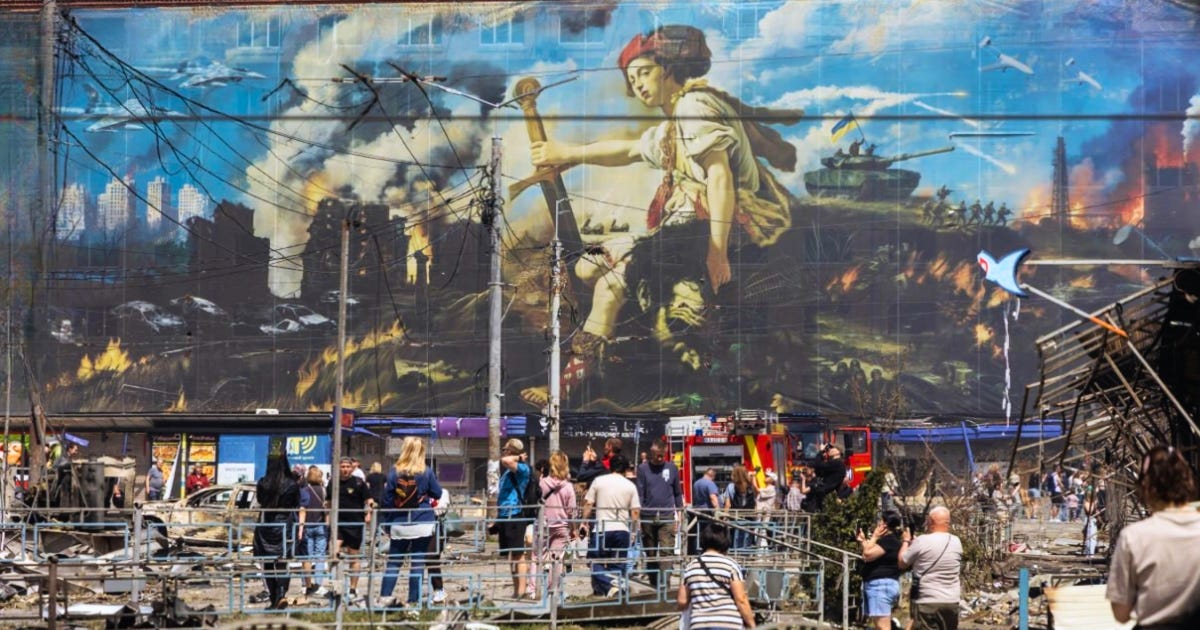
The night of May 24, 2026 became an occasion of interest for various reasons. Some people watched the red carpet of the Cannes Film Festival. Others applauded during a championship boxing fight. Someone had already fled the city and started to relax somewhere far away. Meanwhile, Ukrainians passed this whole night in subway stations where they used them as bomb shelters.
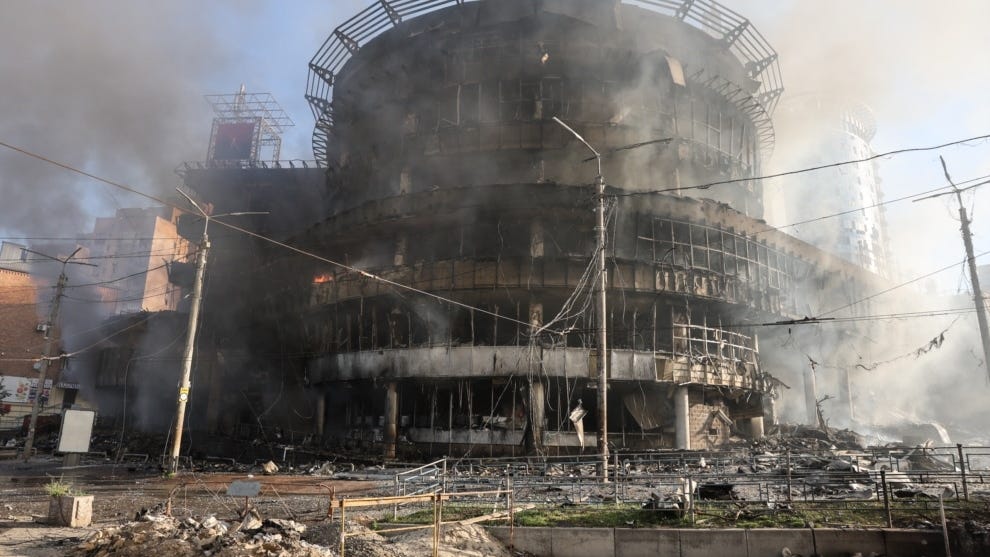
The morning revealed the results of the night’s smoke: a totally burnt market, ruined schools, broken windows of the Chornobyl Museum, damaged Kyiv Opera, and a headquarters of Ukrposhta at Maidan Nezalezhnosti.
Cannes
Under the spotlight of France, the Grand Prix of the Cannes Film Festival went to the film of the Russian director Andrey Zvyagintsev entitled Minotaur. He delivered an intellectual plea to Vladimir Putin urging him to end this war. Applause burst out. Western elite people could feel relieved. They just saved humanity.
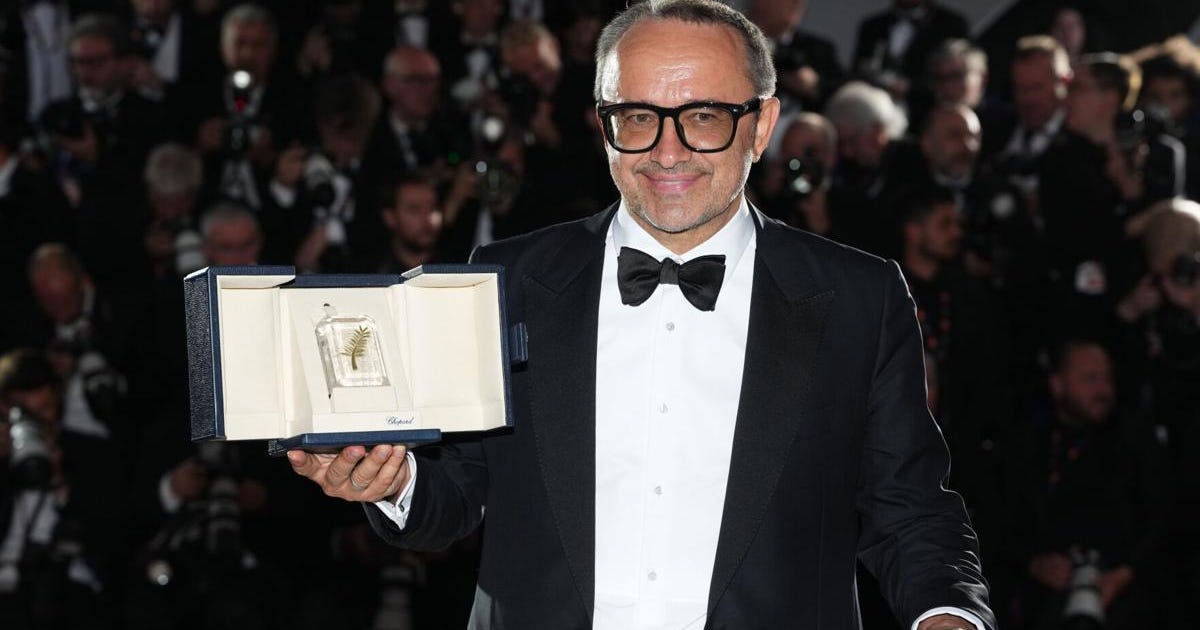
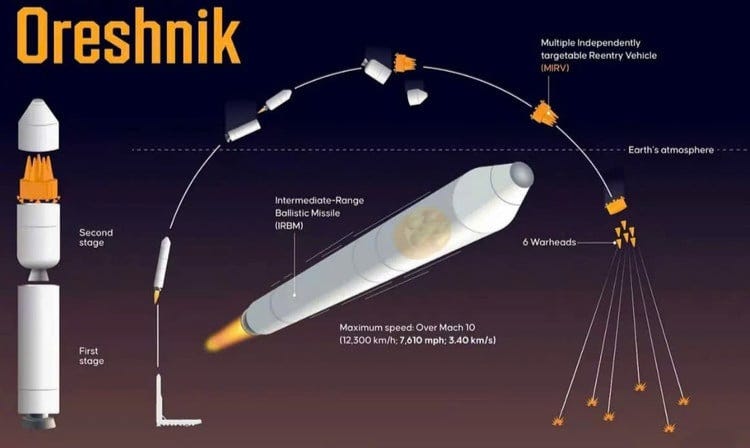
At that very moment, the citizens of the director’s native country were pressing the launch button with renewed energy. Global media outlets hadn’t even finished publishing the director’s quotes when the Ukrainian Air Force confirmed the news: Russia had launched an RS-26 “Rubezh” medium-range ballistic missile, known as the “Oreshnik,” at the Bila Tserkva district. It was five hours of a non-stop, combined aerial assault.
Social Media. Raw Reality
The cynicism of this reality wasn’t captured in diplomatic notes; it lived in social media feeds where people wrote blindly from under the rubble.
“Our building was hit. The apartment is completely destroyed. I managed to drop to the floor in time. The windows were blown out. The floor above us is on fire. The front door is jammed. But we managed to get outside. No idea what to do next. Shock.” This was posted by Olena Zakharchenko, who found herself on the street in the morning with her two children.
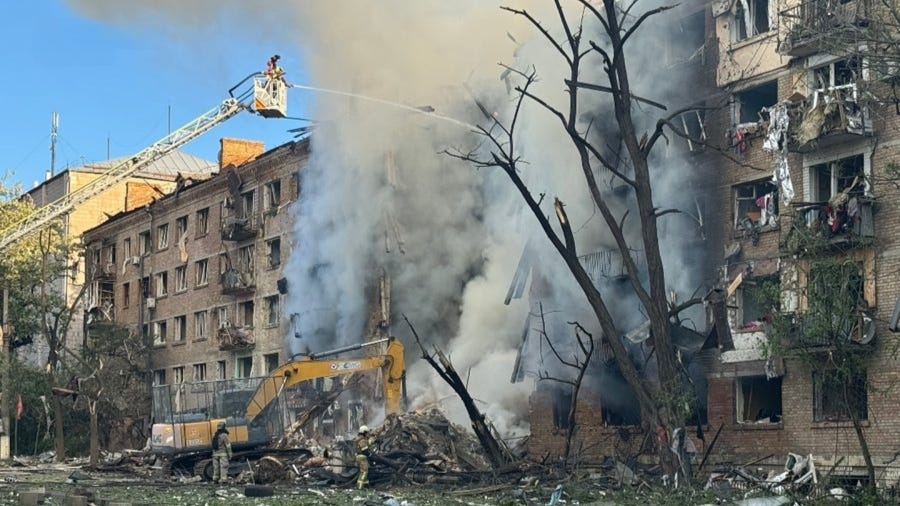
It was the same story in other parts of the capital. Olga Skotnikova wrote: “The smell of smoke is filling both the parking garage and the apartment. Lukyanivka is completely covered in smoke. The explosions are inhuman.” Walls shook, and interior doors flew off their hinges. The world was trembling.
Giza. The Surrealism of Resistance
Right alongside the terror came a pure, almost unbelievable surrealism. Despite the roar of air defense, thousands of Ukrainians in shelters were hunting for a weak cell signal just to watch Oleksandr Usyk defend his undisputed heavyweight champion title in Egypt, right by the Pyramids of Giza.
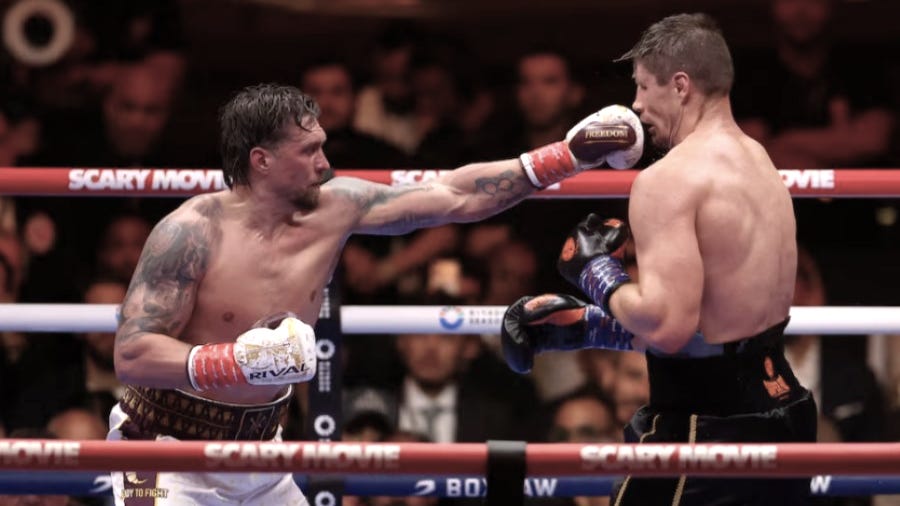
In the eleventh round, a knockout. Dutchman Rico Verhoeven went down. Usyk won, and his first speech was about his family in the shelter under attack.
Back in the Kyiv basements, people screamed with joy. That cheering mixed with the sounds of car alarms blaring in smoke-filled courtyards.
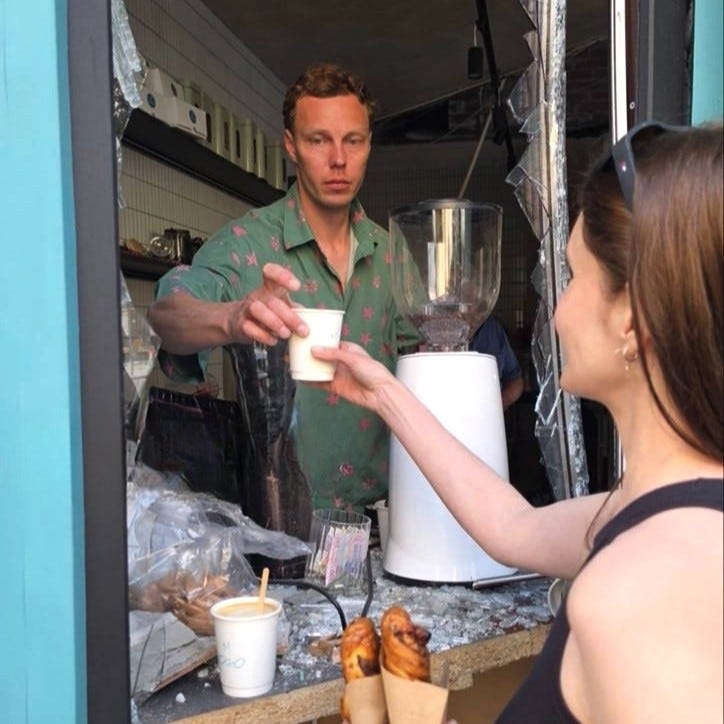
Just two hours later, at dawn, the owner of a newly opened coffee shop in the Podil neighborhood was sweeping shattered glass off. The windows were completely gone, but he turned on the espresso machine anyway. He brewed coffee for sleepless, quiet Kyivites rushing past broken storefronts on their way to work. Life goes on, no matter what.
Washington
The most significant and coldest outcome of this day was the total collapse of preventive diplomacy.
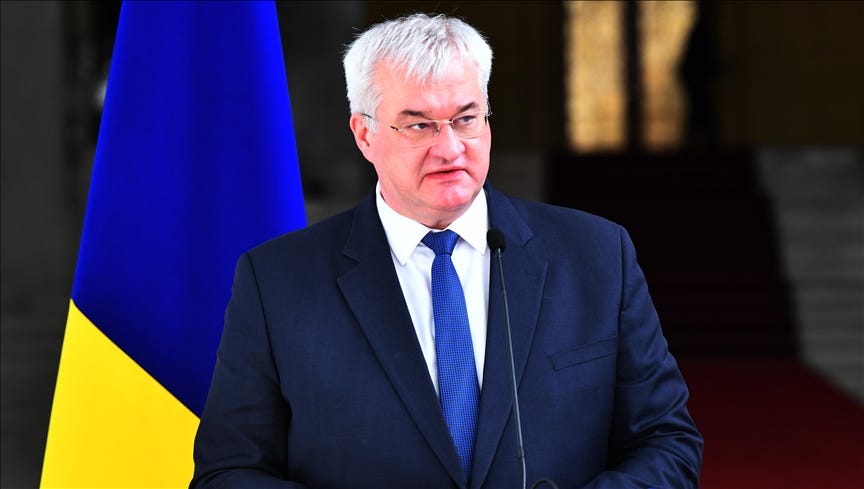
Just before the attack, the U.S. Embassy in Kyiv issued a routine warning about a high probability of a massive strike. They announced it almost like a forecast for rain or hail. Ukraine’s Foreign Minister, Andrii Sybiha, directly called out the partners’ passivity at the time: “The main warning shouldn’t be heard in Kyiv... It must be heard in Moscow by the Russian regime. Warn them about the price.”
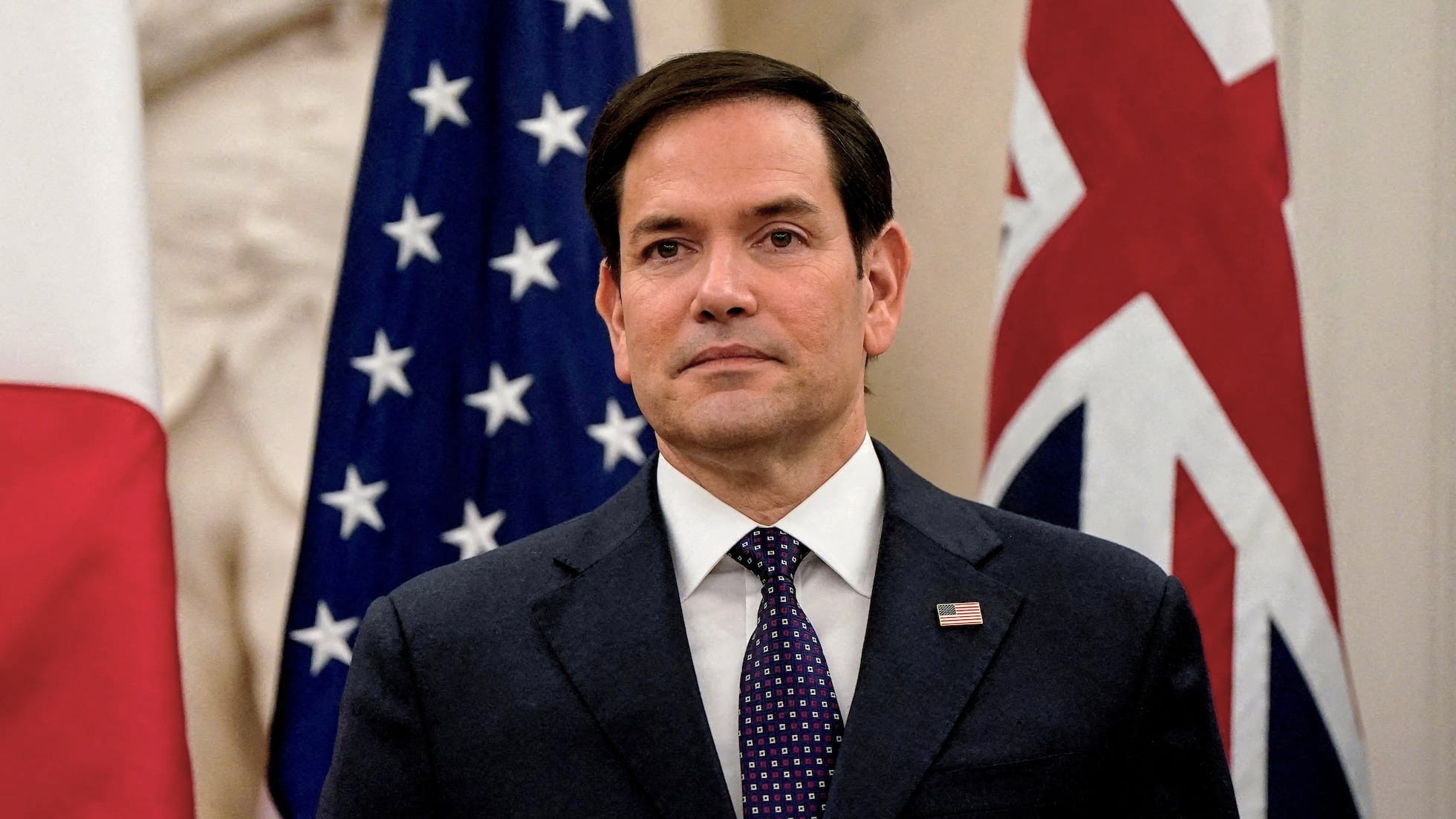
Marco Rubio confirmed that the United States is stepping back from its role as a mediator in peace talks between Ukraine and Russia. Donald Trump’s promises to “stop the war in a few days” proved to be nothing more than a campaign slogan. Faced with real escalation and a Russian “Oreshnik” missile, Washington simply shut down this diplomatic track, quietly shifting the responsibility onto a worried but toothless Europe.
The night of May 24 proved one thing: the international security architecture isn’t just damaged. It has been completely dismantled. Speeches by Russian dissidents in Cannes will remain a self-soothing tool for Western elites who buy tickets to a movie about someone else’s war so they don’t have to face the real one.
This night showed that real sovereignty isn’t measured by signatures on press releases. Today, it’s all about having the air defense to hold your sky, the grit to win on the world stage, and a barista who keeps the coffee running even when the windows are smashed.