

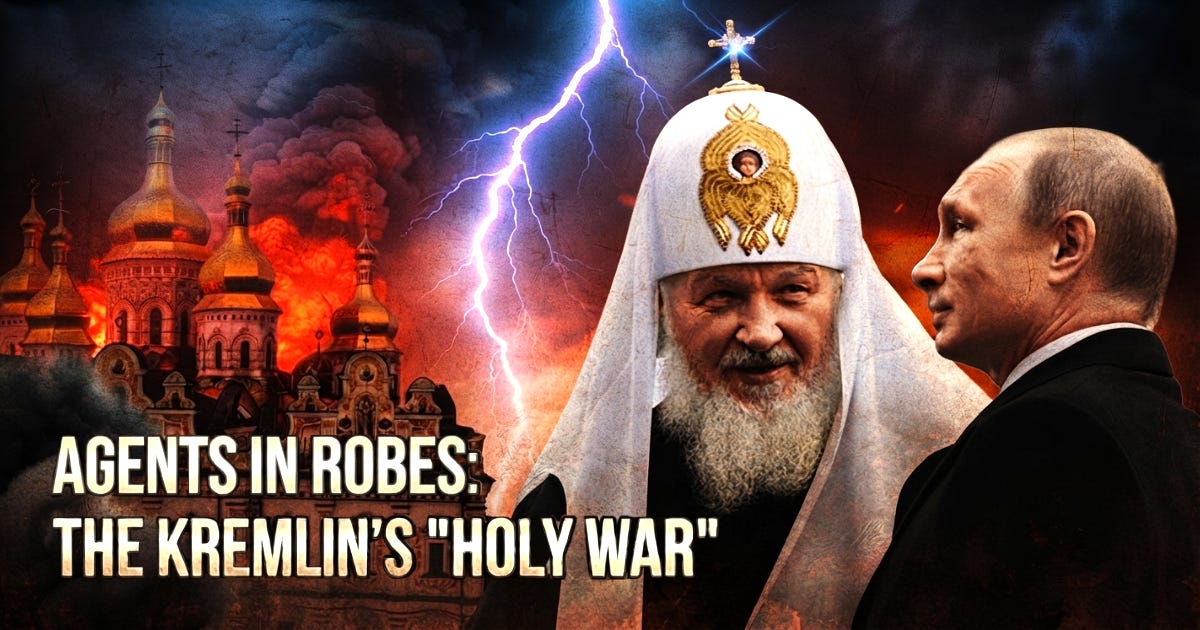
Russia is losing the war in Ukraine, along with its leverage over the country’s key historical and spiritual centers. The Kremlin failed to capture Kyiv in three days, hold a parade on Khreshchatyk, or seize the holy burial vaults of the Kyiv-Pechersk Lavra (The Kyiv Monastery of the Caves, a UNESCO World Heritage Site), where Kyiv’s ancient rulers rest. The very name and history of this sanctuary are undeniable proof that Ukraine is the sole rightful successor to Kyivan Rus. Unable to appropriate Ukrainian heritage, Moscow is trying to destroy it.
On the night of June 15, 2026, Russia launched over 70 missiles and 600 Shahed drones at Ukraine. Kyiv bore the brunt of the attack. According to the Security Service of Ukraine (SBU), an Iranian-made kamikaze drone, marked as “Geran-2,” struck the roof of the Dormition Cathedral. Firefighters, aided by a sudden, heavy downpour, worked together to extinguish the burning roof.
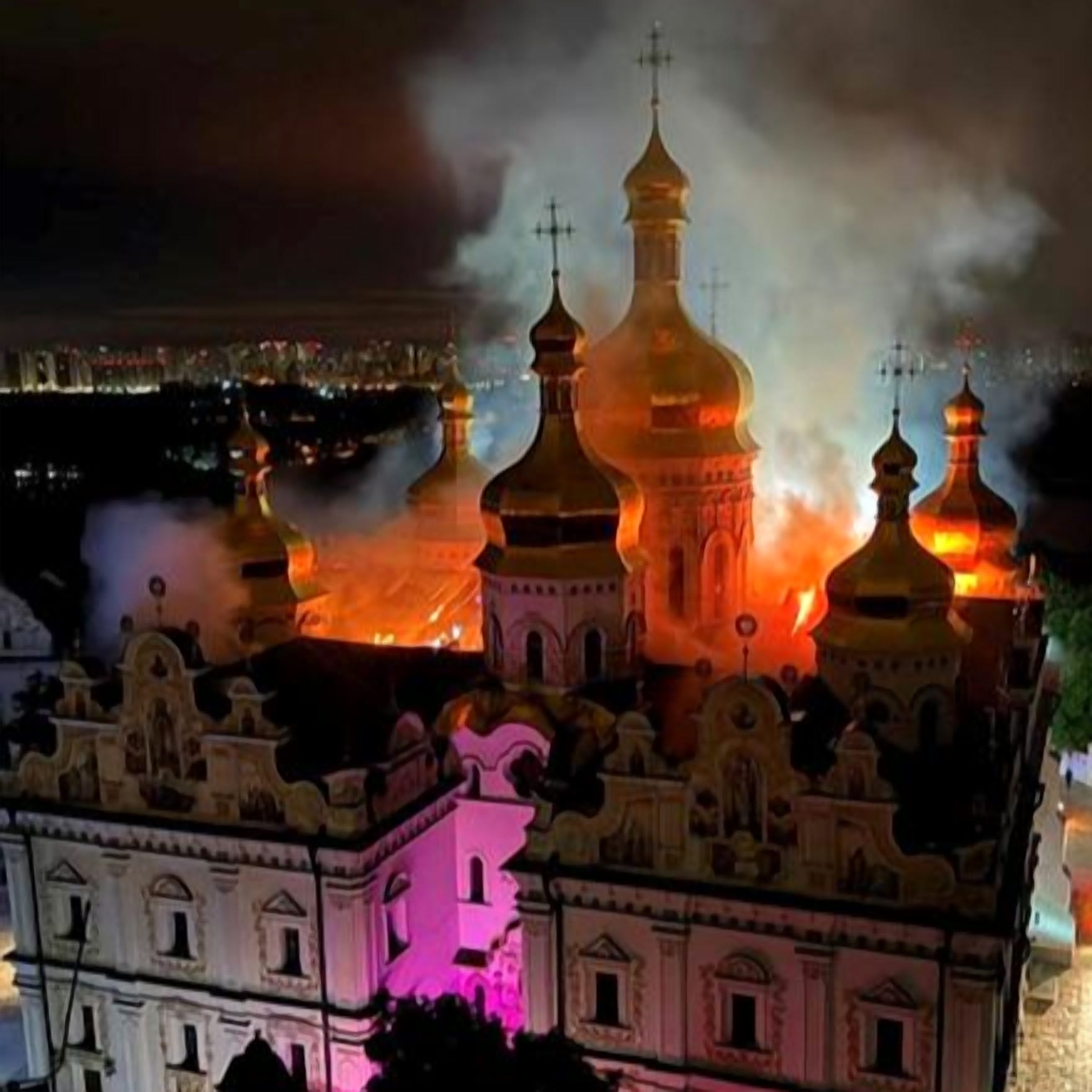
Despite the daily toll of destruction, this specific strike shocked the public. The Kyiv-Pechersk Lavra is not just an architectural complex; it is a sacred spiritual hub for Orthodox Christians - one of the oldest sanctuaries bridging the era of Rus and the present day.
The foundation of the Dormition Cathedral was laid back in 1073, a century before construction began on Notre-Dame de Paris. The caves of the Lavra hold the true history of Rus: from the founder of monasticism, Anthony of the Caves, and the historian Nestor the Chronicler, to the legendary warrior-monk Ilia Muromets and Princess Eupraxia, who became an Empress of the Holy Roman Empire.
The spiritual power of this site is so significant that Soviet authorities once removed the skull of the ruler who Christianized Rus - Prince Volodymyr the Great - under the guise of scientific reconstruction. In reality, it was an attempt to erase physical evidence of Ukrainian historical continuity. Later, this relic, like hundreds of other confiscated sacred objects, was “lost.”
This spiritual and historical treasure remains an obsession for Vladimir Putin, who is fixated on the concept of a “Third Rome.” However, without Kyiv and its shrines, Russian state mythology loses its foundation, reducing a “millennial empire” to a later state mythology constructed on the historical margins of Kyivan Rus.
How the Kremlin Weaponized Faith For Genocide
The leadership of the Russian Orthodox Church (ROC) has subordinated faith to state ideology. Today, the churches serve as a mouthpiece for Kremlin propaganda and have turned into recruitment centers. The commandment “Thou shalt not kill” has been twisted, and an Orwellian “war is peace” has become religious dogma.
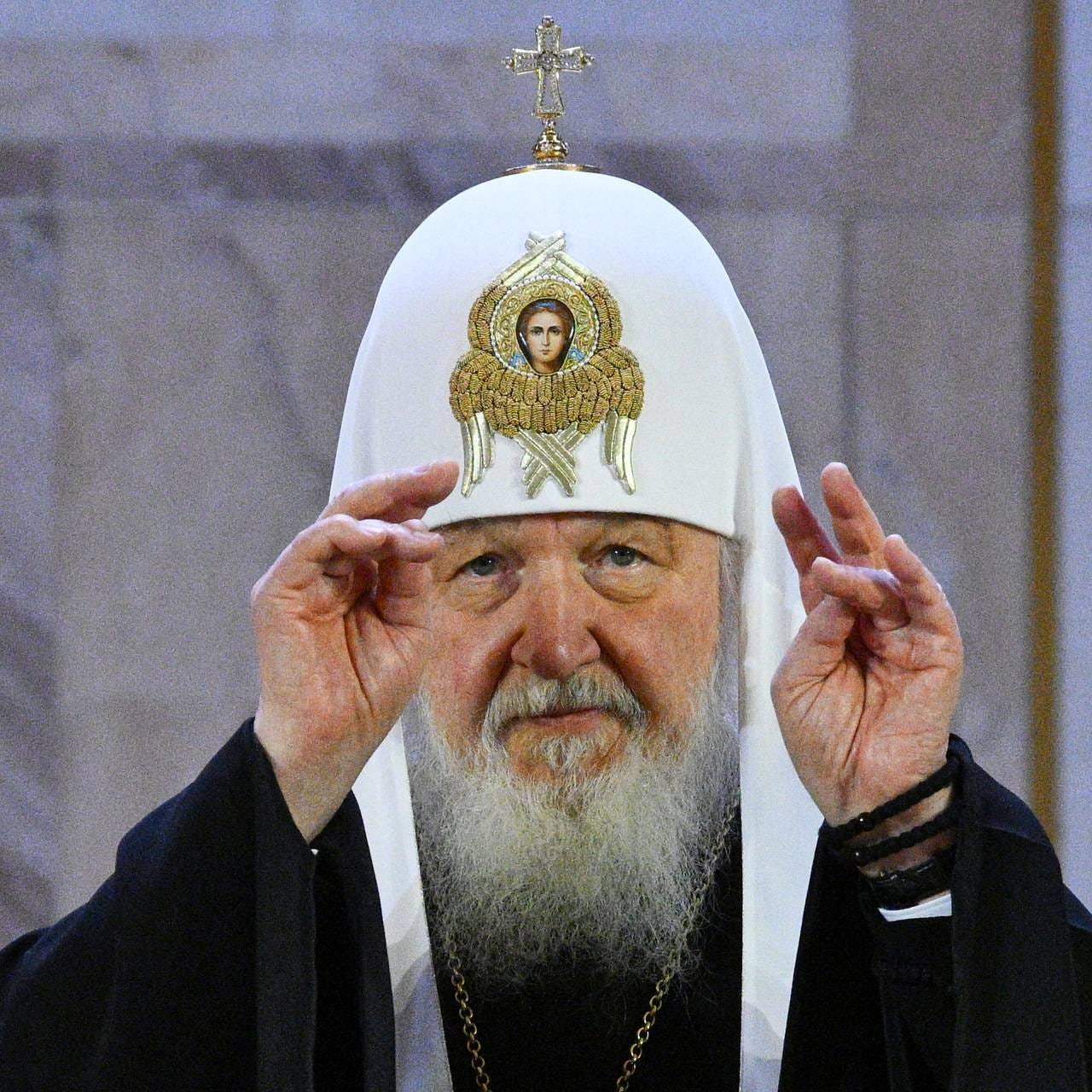
In November 2025, Patriarch Kirill issued another manipulative statement, altering basic Christian tenets by claiming that Russian soldiers killing Ukrainians are “fulfilling the commandment “Thou shalt not kill” by defending their Fatherland.” By declaring an aggressive war of conquest “sacred” and framing Russia as a savior and an alternative to a “dead-end West,” the Kremlin has wrapped fascism in a religious package.
The official manifesto of this militaristic cult is the Decree of the XXV World Russian People’s Council (March 2024). This is not a pastoral document, but a direct directive for genocide. In black and white, it states that the entire territory of modern-day Ukraine must fall under Russia’s “exclusive zone of influence,” and Ukrainian statehood must be eliminated. This frames the invasion as a “holy war”.
The doctrine of the Putin-Gundyaev “Russian World” knows no geographic borders. By claiming ownership of anyone who speaks Russian or feels connected to Russian culture - including people in the Baltics, Uganda, Canada, and Australia - the Kremlin has given itself permission to conduct hybrid invasions.
Furthermore, a Putin decree from late May 2026 allows the Russian military to be deployed to protect Russians detained abroad. This directly challenges international law and attempts to intimidate the Hague, which has already issued an arrest warrant for the Russian dictator.
From Sovereignty to Surveillance: The Church as an Intelligence Asset
Anti-Christian rhetoric from Moscow Patriarch Kirill surprises only those unfamiliar with history. The Russian church’s presence in Ukraine is the result of an old annexation. The Kyiv Metropolis was established by Constantinople during the Christianization of Rus in 988 - long before Moscow even existed. However, in 1686, exploiting a period of Ukrainian political turmoil known as “The Ruin,” the Kremlin bribed the impoverished Ecumenical Patriarch Dionysios IV, pressured the Ottoman Sultan, and used a Synodal Act to reduce Kyiv to a provincial diocese under Moscow.
The next step was taken by Peter I in 1721, who stripped the church of its independence, turned bishops into state officials, and used the sacrament of confession as an informant’s tool. Stalin repeated this strategy in 1943, ordering the revival of the Moscow Patriarchate under the strict supervision of the NKVD. The cynicism was profound. Just years earlier, the Bolsheviks had launched their brutal “Atheist Five-Year Plan” - a state-sponsored campaign to systematically eliminate religion. They closed and destroyed churches, executed priests, and, in 1937, blew up the historic St. Michael’s Golden-Domed Monastery in Kyiv.
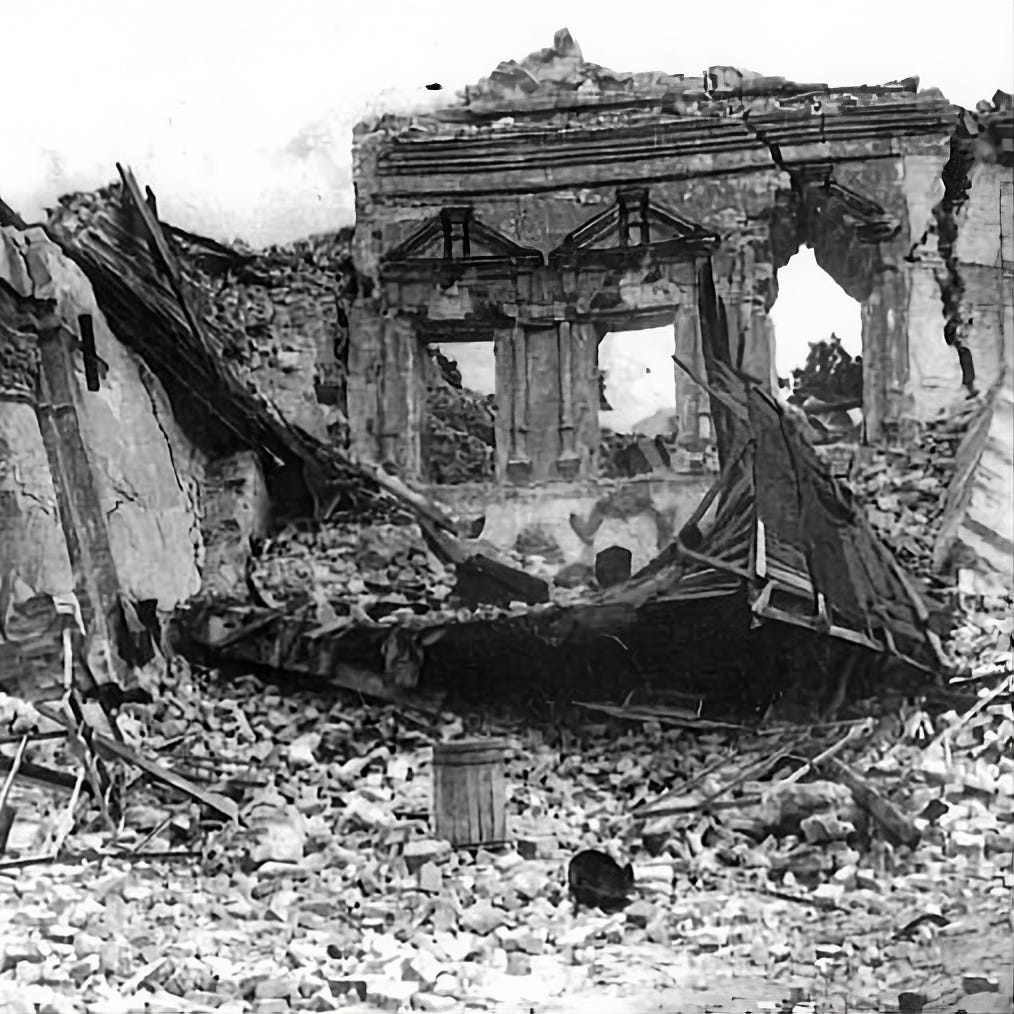
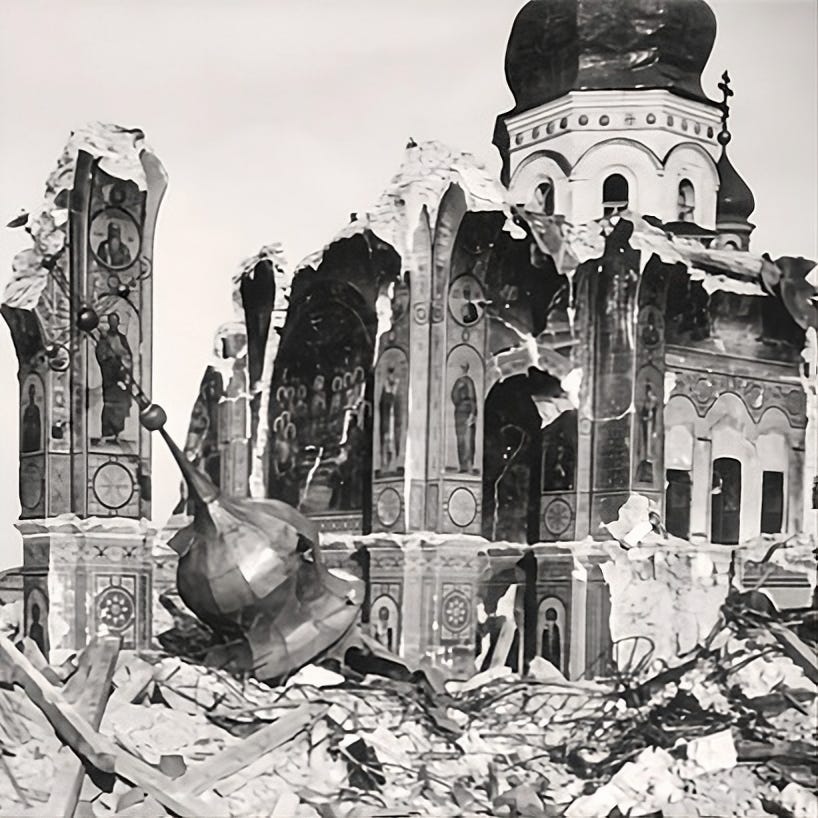
Declassified SBU archives, the journals of filmmaker Oleksandr Dovzhenko, and Anatoly Kuznetsov’s documentary novel Babi Yar reveal that in 1941, NKVD units and Soviet engineers mined and later blew up the Dormition Cathedral of the Kyiv-Pechersk Lavra. It was rebuilt only after Ukraine gained independence, opening to visitors in 2000.
Recognizing the utility of religious control, the Soviet regime turned faith into surveillance. As Patriarch Filaret recalled, no bishop in the USSR could be ordained without KGB approval.
In the early 1990s, a Russian parliamentary commission revealed informant lists showing that the entire leadership of the ROC was embedded in the intelligence network. The current Patriarch Kirill, according to declassified Swiss archives, spied in Geneva at the World Council of Churches under the code name “Agent Mikhailov.” His predecessor, Alexy II, was registered as “Agent Drozdov.”
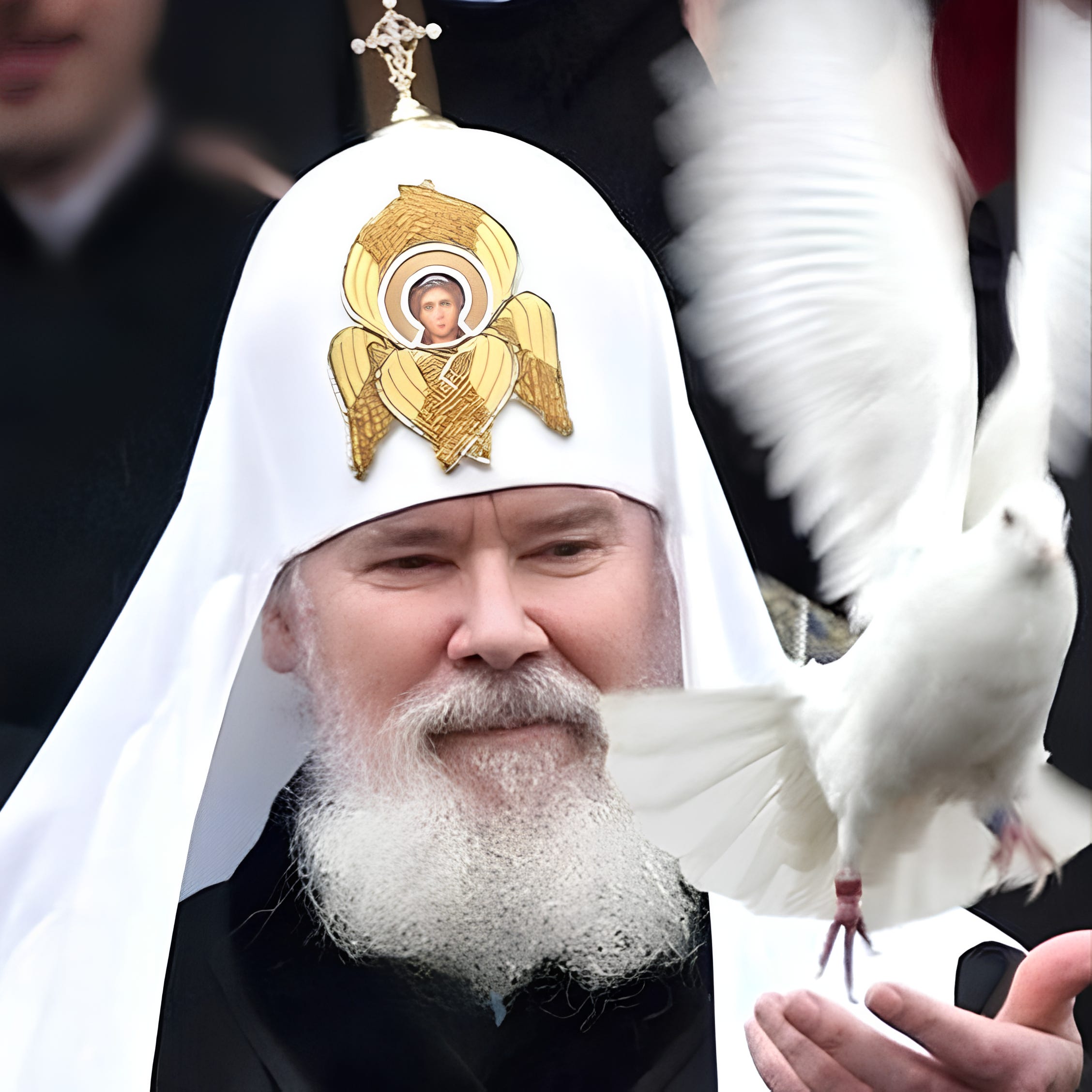
This global espionage web covered Europe as well. KGB documents and local investigations proved that intelligence services spent decades recruiting clergy in Moldova, Poland, Latvia, Bulgaria, and Lithuania. In Germany, Lutheran pastor Knut Hansen and preacher Gerd Bambowski were exposed for spying for the KGB and the East German Stasi in Berlin for over a decade. In 2024, the Czech Republic deported Russian archpriest Nikolai Lischenyuk for establishing an intelligence network. Furthermore, according to the OSINT agency Molfar, ROC churches in Europe frequently appear close to strategic sites. In Norway, the ROC bought land three kilometers from the main Haakonsvern naval base. A church equipped with surveillance cameras was built in Sweden right next to an airport, a military headquarters, and a communications hub.
Observing the threat to security, the democratic world is reacting. In 2022, Canada became one of the first countries to impose sanctions on Vladimir Gundyaev (Patriarch Kirill), freezing his assets and banning his entry. Despite this, Kremlin representatives continue to spread disinformation on the ground. For example, Archbishop Gabriel (Chemodakov) of Montreal and Canada, who heads the Russian Orthodox Church Outside Russia (ROCOR) diocese there, has openly defended the Russian invasion. In a 2022 interview with the Kremlin-aligned portal Pravoslavie.ru, Gabriel repeated the Kremlin’s core disinformation, calling the Ukrainian government “demonic forces” and describing the geopolitical situation through the lens of Russian state rhetoric. The National Post later documented his comments, which sparked intense domestic scrutiny.
Purging the Shrines: Ukraine Reclaims Spiritual Sovereignty
The desire to break free from Moscow’s religious control and restore historical justice has been present in Ukraine for centuries.
Returning to the jurisdiction of Constantinople and restoring independence were outlined as early as Pylyp Orlyk’s Constitution in 1710. However, this was only realized in January 2019, when Ecumenical Patriarch Bartholomew I granted the Tomos of Autocephaly to the Orthodox Church of Ukraine (OCU), cutting the imperial tie.
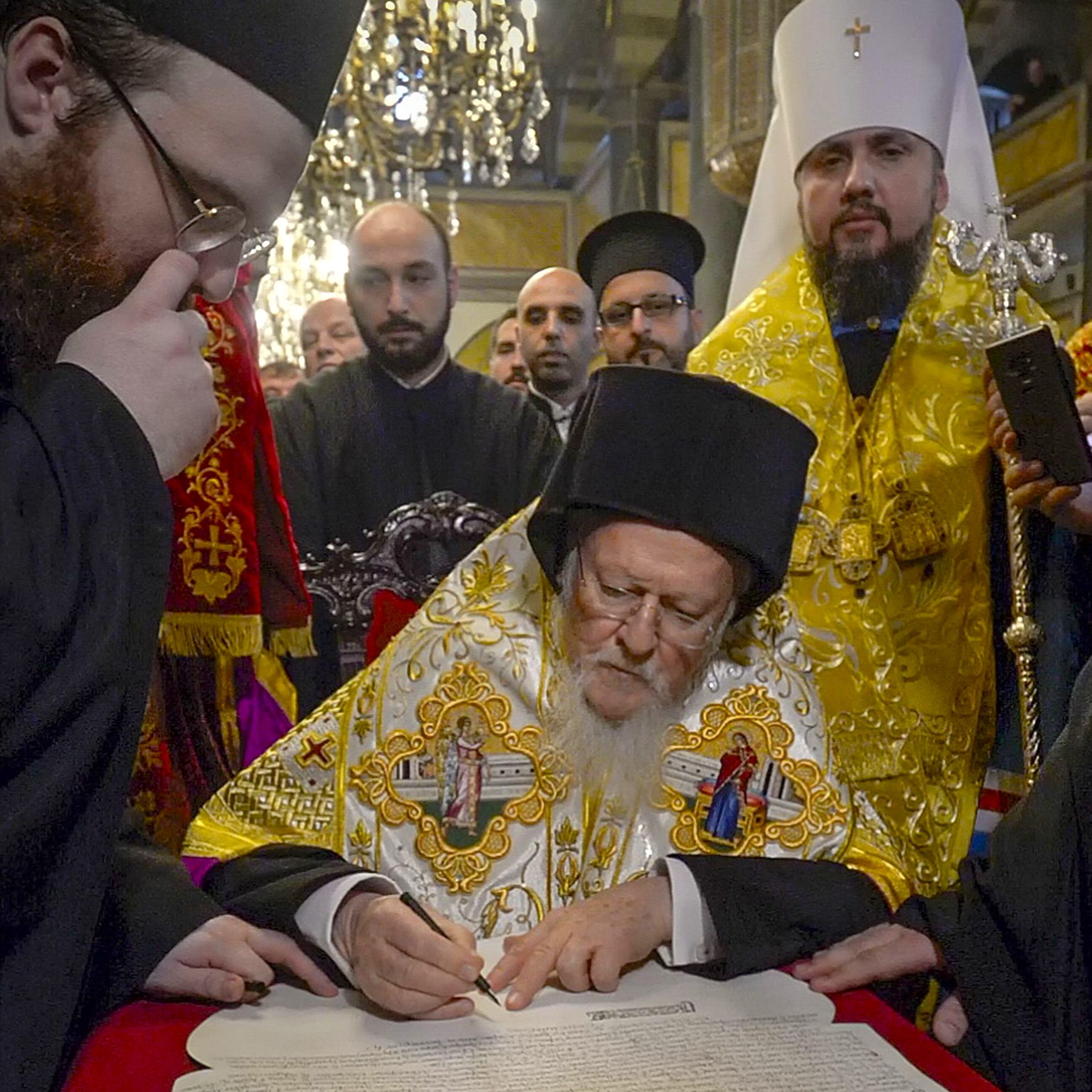
The Kremlin reacted strongly because the Ukrainian Orthodox Church of the Moscow Patriarchate (UOC-MP) remained its last legal tool for russification and control. The final rejection of Russian influence occurred following the launch of the full-scale invasion and the resulting civilian casualties. In recent years, over two thousand religious communities have left the Moscow Patriarchate to join the OCU.
The ongoing legal transition of the Lavra corrects historical imbalances introduced during imperial and Soviet times. In 1988, Soviet authorities permitted Moscow clergy to settle in the Far Caves of the Lavra, which had previously functioned only as a museum. Following independence, pro-Russian officials continued to accommodate Moscow. On July 11, 2013, the government of Mykola Azarov, acting under President Viktor Yanukovych, transferred 79 buildings, including the cave labyrinths, to the UOC-MP for free use. Both politicians later fled to Russia following the 2014 Revolution of Dignity.
The full-scale war completely exposed these networks. During searches of UOC-MP properties, the SBU found Russian passports, propaganda literature supporting the “Russian World” ideology, and patches from pro-Russian militant groups. The SBU has opened over 200 criminal cases against UOC-MP clergy, and around 40 priests have received prison sentences for treason and collaboration. A prominent figure in this process is the former abbot of the Kyiv-Pechersk Lavra, Metropolitan Pavlo (Lebid), who faces charges of inciting enmity and justifying Russian aggression. His trial has been ongoing for three years, and he was released on a 33-million-hryvnia bail (equivalent to over one million Canadian dollars).
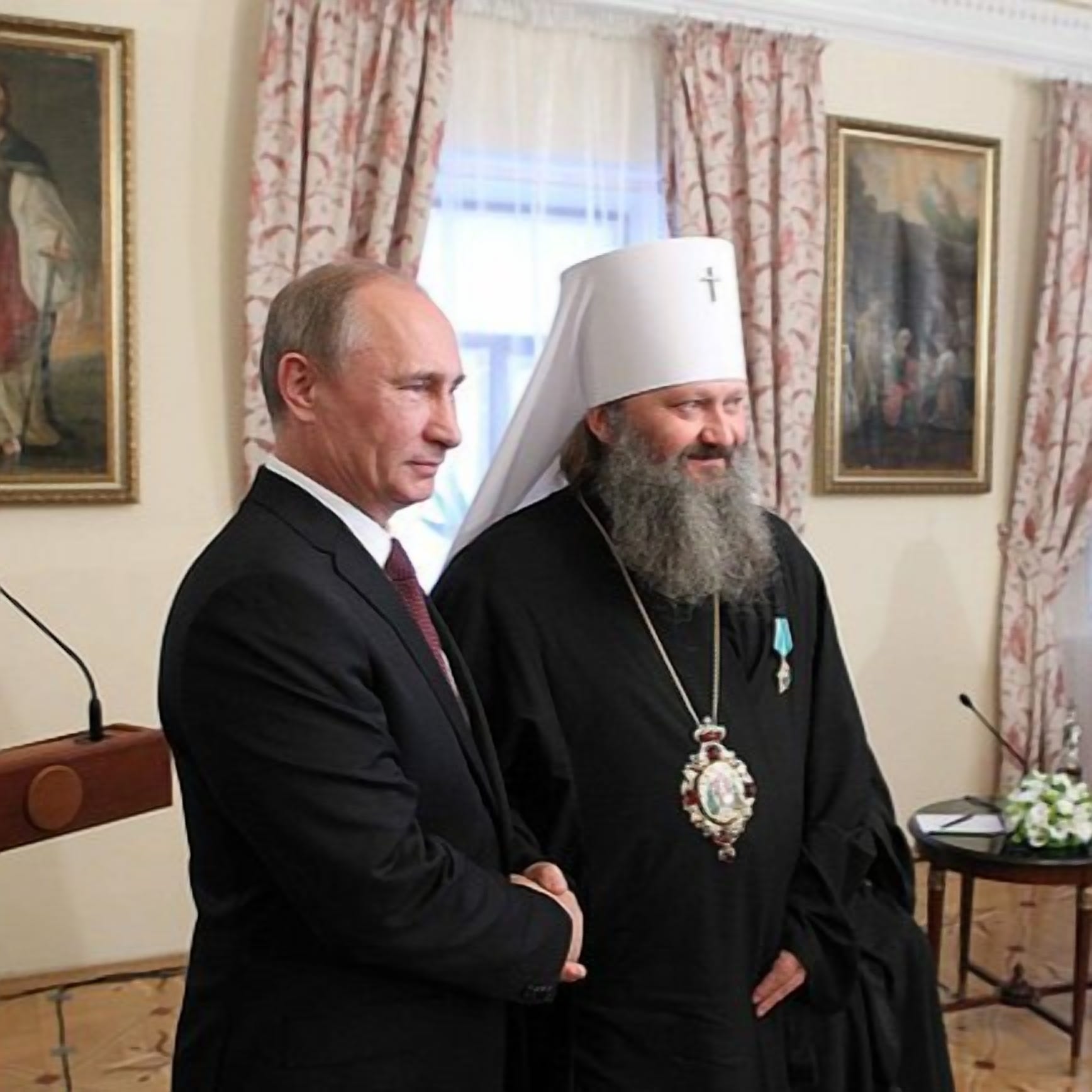
In May 2022, the leadership of the UOC-MP declared its “independence” from Moscow to maintain its position. However, an independent expert assessment of the new charter revealed this to be merely cosmetic, confirming that canonical subordination to Moscow remains intact.
To address this, legislation was introduced in October 2023 banning religious organizations tied to the Russian Federation. This provided the legal basis to terminate lease agreements and return the Lavra complexes to state control. The current transition of the Lavra and the removal of hostile religious influence is fundamentally a matter of national security rather than a denominational dispute.
By losing control over the shrines of Kyiv, Russia loses the ability to co-opt Ukraine’s history.
The state structure that utilized faith to justify invasion faces spiritual isolation. Free from external propaganda, the Lavra is returning to its original role from the era of the Kyiv princes: as a symbol of Ukrainian identity and sovereignty.